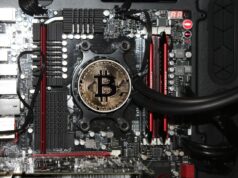

Maximizing profitability in Bitcoin ASIC mining hinges on thorough evaluating of hardware efficiency, hashrate, and electricity costs, which together define the core of your roi. ASIC mining devices operate based on a specific algorithm, and their ability to deliver consistent earnings depends heavily on the relationship between mining difficulty and your system’s processing power. With difficulty rising steadily, choosing optimized hardware that balances power consumption and computational output is a top priority for sustained revenue.
Electricity expenditure remains one of the largest drains on profitability. Even a high hashrate ASIC can underperform if it suffers from poor efficiency or operates in regions with elevated energy prices. Investors must factor in real-time electricity rates alongside projected mining rewards to forecast true profitability. Strategic investment in energy-efficient devices with advanced cooling solutions can lower costs while preserving output, directly boosting net earnings.
Optimization extends beyond hardware specs to encompass firmware tweaks and mining pool selection, impacting both revenue consistency and network security. Market trends indicate a shift towards mid-level ASICs offering competitive efficiency at reduced costs, a practical alternative to flagship models with marginal performance gains but substantial upfront investment. Thorough assessment of these multiple factors equips miners with crucial insights for making data-driven decisions in Bitcoin mining operations.
Impact of Electricity Costs
Electricity expenditure is the single largest variable cost in sustaining profitable bitcoin mining operations, directly influencing ROI and overall earnings. For ASIC hardware, power consumption rates can range from 1,200W to 3,500W per unit, implying that even marginal fluctuations in electricity prices significantly affect mining profitability. For example, at £0.10 per kWh, a miner consuming 1.5kW continuously will incur roughly £108 per month in power expenses, potentially eclipsing revenue generated at lower bitcoin prices.
When evaluating the optimization of hashrate and algorithm efficiency, miners must prioritize locations offering sub-£0.05 per kWh energy to maximize margin. This is especially important as mining difficulty adjusts upward, requiring greater computational power and, consequently, increased electricity consumption for the same bitcoin output. Strategic investment in hardware with improved power efficiency, like next-gen ASICs boasting TH/s per watt improvements, can meaningfully reduce operational costs, increasing net revenue without needing higher bitcoin prices.
Electricity as a Critical Factor in Mining ROI
Accurate assessment of electricity costs alongside hashrate and difficulty trends is vital for precise financial modeling. Mining farms leveraging renewable energy or negotiating industrial tariffs often gain an edge by lowering the electricity factor in their cost structure. This directly boosts profitability and enhances the predictability of long-term earnings amid bitcoin’s algorithmic adjustments. Evaluating contracts for electricity supply and monitoring grid stability are additional best practices that safeguard continuous operation and avoid expensive downtime.
Real-World Insights on Electricity Optimization
Case studies from operational mining facilities indicate that small percentage savings on electricity translate to thousands of pounds annually per megawatt of consumed power. For hardware optimization, integrating real-time monitoring of electricity usage alongside hashrate output enables dynamic tuning of mining rigs. This process aligns resource consumption with peak bitcoin network efficiency periods, maximizing revenue. The intersection of electricity cost management and hardware performance creates a critical nexus where investment returns can be substantially increased, shaping smarter decisions in bitcoin mining ventures.
ASIC Hardware Hashrate Comparison
For evaluating mining profitability, hashrate remains one of the most critical factors directly influencing earnings and ROI. The latest high-efficiency ASIC hardware models produce hashrates in the range of 100 TH/s to 140 TH/s, with machines like the Bitmain Antminer S19 Pro delivering approximately 110 TH/s at a power consumption of 3250W. Comparatively, older models such as the Antminer S9 operate around 14 TH/s with a significantly lower energy efficiency, making them less competitive despite lower upfront costs.
Mining algorithm compatibility and hardware optimization also play major roles in securing steady revenue streams. ASICs built for Bitcoin’s SHA-256 algorithm demonstrate predictable performance benchmarks; however, selecting a device with optimal wattage-to-hashrate ratio directly impacts electricity expenses and overall profitability. For instance, an investment in the MicroBT Whatsminer M30S++ offers 112 TH/s at 3472W, slightly less efficient than the S19 Pro but often available at a lower initial price point, which can affect ROI calculations depending on regional electricity costs.
Insights on Efficiency and Investment Decisions
When comparing ASIC hardware, consider the precise balance between hashrate output and electricity consumption to optimize long-term mining returns. Devices with higher hashrate generate more revenue but can also increase electricity costs disproportionately, potentially eroding profits. In practice, mining operations with access to low-cost electricity need to prioritize hashrate maximization, while those facing higher energy prices should focus on efficiency per watt to preserve earnings.
Evaluating ASIC profitability requires factoring in algorithm-specific performance, hardware depreciation, and market conditions. Investment decisions backed by rigorous analysis of hashrate figures alongside power efficiency yield superior outcomes in volatile Bitcoin mining markets. Continuous monitoring of firmware improvements and hardware revisions can enhance hashrate stability, impacting both daily revenue and security by minimizing downtime risks.
Bitcoin Price Volatility Effects
Miners must approach bitcoin price volatility as a significant factor influencing profitability and earnings. Sharp fluctuations in bitcoin’s market value directly impact revenue streams, often overriding operational efficiency and hardware performance. For example, during a price drop of 30% or more, ASIC mining operations with narrow margins may quickly shift from profitability to loss, despite optimized electricity costs and steady hashrate.
Investment strategies should account for volatility by maintaining flexible budgeting within electricity expenditures and by scaling mining capacity in alignment with projected bitcoin price trends. Those equipped to adjust operational intensity in response to algorithm difficulty and market pricing can preserve profitability, avoiding overcommitment during bearish phases. Historical data from 2021 and 2022 demonstrate that miners reducing hashpower when prices fell limited losses, highlighting the need for active management beyond hardware efficiency.
Optimizing Revenue Amid Price Swings
Evaluating hardware choices through the lens of bitcoin price volatility means prioritizing ASIC models with superior energy efficiency and rapid deployment capabilities. Devices that balance high hashrate with modest electricity consumption enable better responsiveness to sudden market shifts, minimizing fixed cost exposure. For instance, ASICs with power efficiency under 30 J/TH offer more resilience during lower bitcoin valuations due to decreased operational costs.
Mining algorithms and difficulty adjustments introduce additional layers of complexity when price volatility spikes. Since difficulty calibrates based on network-wide hashpower, sudden price increases can prompt a rapid influx of mining investment, increasing difficulty and reducing per-unit earnings. Conversely, price crashes may reduce the network hashrate, lowering difficulty and increasing profitability for remaining miners. Strategic monitoring of these dynamics allows miners to time investment and hardware refresh cycles effectively.
Insights for Long-Term Profitability
Integrating bitcoin price volatility into comprehensive profitability models is essential for security and risk mitigation. Diversified income strategies, including holding mined bitcoin for potential value appreciation during low-price periods, enhance long-term investment returns. Efficient electricity sourcing paired with adaptive mining operations maximizes profit across volatility cycles.
Future developments, such as Layer 2 solutions and scaling on the bitcoin network, may alter transaction fees’ influence on mining revenue, compounding price volatility effects. Therefore, combining real-time market insights with hardware benchmarking and energy cost optimization forms the foundation of a robust mining strategy geared to both current earnings and capital preservation.