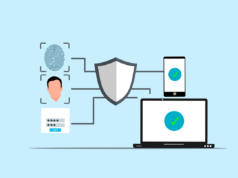

Utilising air-gapped hardware wallets combined with advanced encryption techniques offers the most robust solution for protecting crypto assets from cyber threats. Storing private keys offline ensures isolation from internet-connected vectors, eliminating risks associated with malware, phishing, or firewall breaches. This method of cold storage enforces an additional layer of defense through physical and logical separation, critical for high-value wallets and institutional-grade portfolios.
Effective cold storage solutions rely on stringent authentication protocols paired with hardware-enforced encryption to maintain asset integrity. Backups stored offline, ideally on multiple secure media, provide redundancy without exposing credentials to network vulnerabilities. Real-world examples from cryptocurrency mining operations highlight how integrating isolated cold wallets reduces exposure during arbitrage transactions and large-scale transfers.
Beyond simple offline storage, implementing multi-factor authentication and secure backup rotations strengthens cyber defense. Firewall configurations should complement cold storage by restricting unnecessary outgoing connections from related systems, while advanced cryptographic methods protect transactional data. The evolving threat landscape demands adopting these cold storage methods as standard practice, safeguarding assets with uncompromising security and resilience against online attacks.
Cold Storage Asset Protection Techniques
Implementing hardware wallets with full offline isolation is fundamental for securing cold storage assets. Utilizing air-gapped devices ensures private keys remain disconnected from any network, eliminating exposure to cyber infiltration and malware. Combining this with multi-factor authentication methods, such as physical tokens paired with PINs, creates layered security that resists unauthorized access attempts.
Segmenting assets across multiple cold wallets reduces risk by limiting single points of compromise. Each wallet should be stored in separate, secure locations physically protected by safes or vaults with stringent access controls. In addition, maintaining encrypted backups of wallet seed phrases on separate media, disconnected from any network, provides reliable recovery without sacrificing security.
Incorporating strict network firewall rules around any interface devices–used only under controlled conditions–to prevent unauthorized communication channels is critical. Employing hardware wallets designed with secure elements and tamper-evident features enhances defense against physical attacks and hardware-level vulnerabilities. Regularly auditing cold storage hardware and verifying firmware integrity guards against supply chain compromises.
Advanced cold storage techniques also include utilizing cryptographic segmentation for wallets holding significant asset volumes. This enables partial signing or multisignature processes that require multiple independent validations before asset movements occur, drastically minimizing risks of rogue transactions. These protocols, combined with offline signing and transaction verification, form a robust framework against emerging cyber threats.
Implementing Air-Gapped Wallets
Use a dedicated hardware device or an isolated computer with no network connectivity to create an air-gapped wallet. This offline setup acts as a robust defense against online threats by ensuring the private keys never leave an environment without firewall protection or external communication channels. Implement strong hardware encryption combined with multi-factor authentication to reinforce the wallet’s security layer and prevent unauthorized access.
Segmentation is critical: physically separate the air-gapped device from all internet-connected systems and store its backup offline using secure methods such as encrypted USB drives or physical paper backups protected by tamper-evident packaging. Maintain rigorous isolation protocols and restrict any data transfers to one-way communication using QR codes or signed transaction data transfer methods to minimize attack surfaces.
Hardware and Software Techniques for Air-Gapped Security
Leverage advanced cryptographic solutions within the air-gapped wallet to ensure transaction data remains confidential during signing operations. Utilizing hardware wallets that support secure enclave technology improves resistance against physical and side-channel attacks. Periodically update the software offline, verifying cryptographic signatures before installation to avoid malware infiltration despite the device’s cold status.
Firewalls and network segmentation on connected systems surrounding the air-gapped wallet provide secondary layers of defense. Combining these with physical security practices–such as storing hardware devices in vaults or safes–adds an essential dimension to asset protection. Regularly test backup integrity and update encryption protocols to address emerging vulnerabilities and maintain long-term security resilience.
Offline Backup Creation Steps
Create backups of cold storage wallets by maintaining strict isolation from all networked devices. Utilize air-gapped computers or hardware secured behind firewalls to prevent unauthorized cyber access during backup generation. Implement multi-factor authentication at every stage to restrict access exclusively to authorized personnel handling critical asset data.
- Prepare a fully isolated environment: deploy an air-gapped machine with no physical or wireless connection to any network. This segmentation ensures a robust defense against cyber intrusions targeting sensitive wallet information.
- Export wallet data using encryption methods conforming to current industry standards, such as AES-256. Encrypt backup files before transferring to any storage medium, ensuring encryption keys are stored separately in a physically secure location.
- Use hardware wallets or dedicated encrypted USB drives for storing backups. These devices should be kept offline and within secure vaults or safes to mitigate risks of theft or loss associated with less controlled environments.
- Create multiple backup copies with defined redundancy protocols. Store these backups in geographically dispersed sites, applying consistent cold storage protection techniques to defend assets from localized physical threats.
- Test restoration procedures periodically using offline recovery drills. This verifies integrity of backups and confirms that encryption and authentication measures remain functional and uncompromised.
Additional protections include layering firewalls on any devices involved in handling backup media and enforcing strict access controls combined with surveillance. These methods form a composite solution, significantly elevating the security and longevity of offline backups for cold asset protection within a controlled cyber defense framework.
Cold Wallet Setup Procedures
Establishing a cold wallet demands strict adherence to isolation and segmentation principles to secure your asset effectively. Start by selecting dedicated hardware that will function exclusively offline, avoiding any prior network exposure. Use hardware wallets designed for cold storage, ensuring firmware is updated using a trusted, air-gapped computer protected by a robust firewall and advanced authentication methods.
Create the wallet offline by generating private keys within an air-gapped environment, eliminating any possibility of cyber intrusion during key creation. Encrypt the wallet data with strong, industry-standard cryptographic algorithms before transferring wallet files via secure, one-way media such as a write-once USB or QR code. Avoid USB devices susceptible to malware; prefer hardware wallets that never expose private keys outside the device.
Integration of Hardware and Security Controls
Implement hardware segmentation by using separate devices for signing transactions and for communication tasks. This physical and logical isolation thwarts attempts to access cold wallet assets through network vulnerabilities. Combine hardware security modules with multi-factor authentication techniques to strengthen access control. Firewalls and intrusion detection systems configured on devices interacting with the cold wallet add an extra layer of defence against cyber threats.
Verification and Recovery Protocols
Upon setup, verify the wallet integrity using checksum tools and test transactions in controlled offline environments to ensure accuracy before any asset transfer. Document recovery phrases securely offline and consider using multiple encrypted backups stored in geographically disparate, secure locations. This diversification in backup storage counters risks posed by physical damage or theft, balancing security and accessibility.