
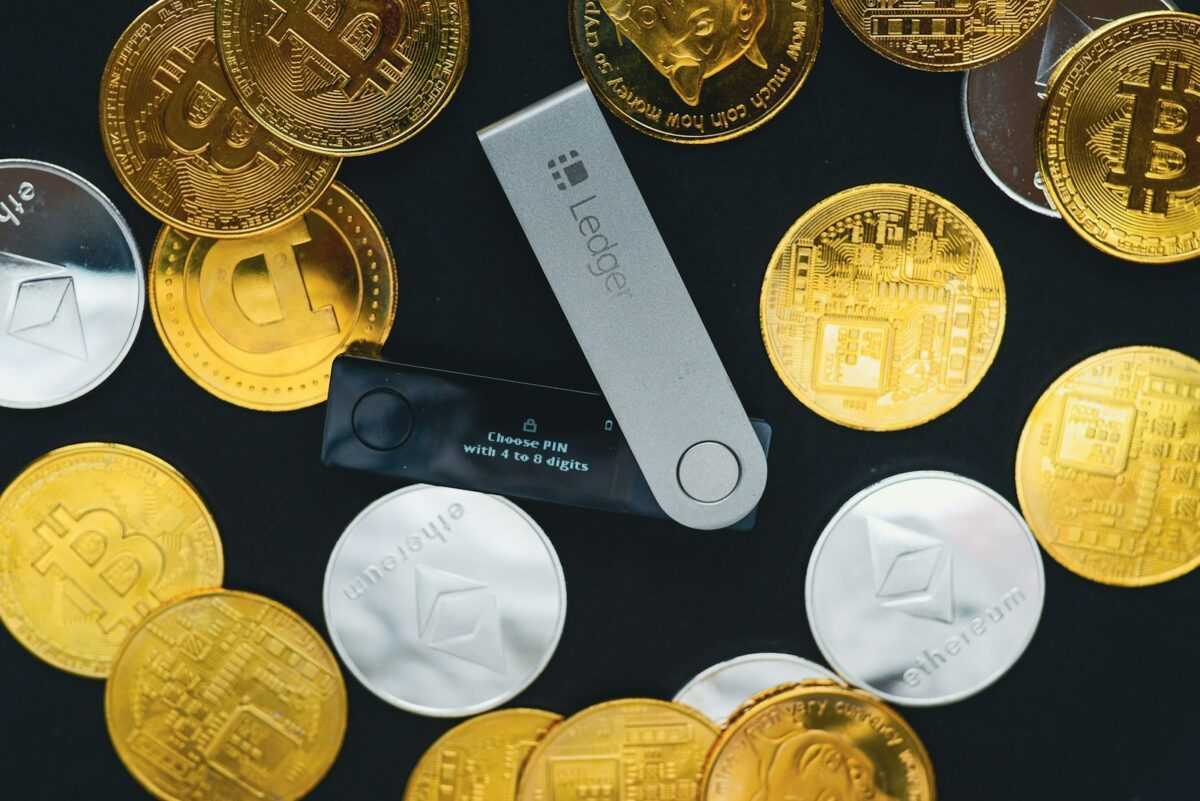
Selecting the best wallet for your cryptocurrency holdings depends primarily on balancing security and convenience. Cold storage options excel in protection by keeping private keys offline, significantly reducing exposure to online threats. This makes cold wallets the preferred choice for long-term asset retention, large portfolios, or institutional-grade security. In contrast, hot wallets offer immediate accessibility and speed for frequent transactions, making them indispensable for active traders, arbitrageurs, or those engaging daily with smart contracts.
Comparing cold vs hot wallets uncovers distinct trade-offs. Cold storage devices, such as hardware wallets or paper wallets, mitigate hacking risks by isolating keys from the internet. Numerous case studies demonstrate that offline wallets withstand phishing attacks, ransomware, and exchange breaches that have compromised billions in crypto assets. However, their offline nature can hinder transaction speed and requires careful physical security measures.
Hot wallets, integrated with online platforms and smart contract ecosystems, enable rapid transaction execution and seamless portfolio management. Yet, their constant connectivity increases vulnerability to cyberattacks and requires robust security protocols like multi-factor authentication, hardware key-signing, and regular software updates. Experts recommend limiting hot wallet balances to small operational amounts while using cold storage for the majority of funds to optimize protection without sacrificing usability.
Understanding current market trends sharpens the approach to crypto storage. The rise of decentralized finance (DeFi) and arbitrage opportunities demands agile wallet solutions, often favouring hot wallets enhanced with cutting-edge security layers. Meanwhile, tightening regulations and institutional adoption elevate the importance of certified cold storage solutions. Effective crypto management today involves making smart decisions by combining both options, tailored to transaction frequency, asset value, and individual risk tolerance.
Assessing Cold Wallet Security Features
Cold wallets provide an unmatched level of protection through offline storage, eliminating exposure to online threats inherent in hot wallets. By keeping private keys completely offline, cold wallets neutralize risks such as phishing, malware, or remote hacking attempts during a transaction. This offline state is the primary security advantage, making cold storage the preferred option for long-term asset holding and high-value portfolios.
Selecting the right cold wallet requires careful analysis of hardware capabilities and user practices. Hardware wallets like Ledger or Trezor incorporate secure elements–dedicated chips designed to withstand physical tampering and side-channel attacks. These wallets sign transactions internally, never exposing private keys to connected devices or the internet, which significantly reduces attack vectors compared with software wallets.
Key Security Elements in Cold Wallets
- Secure Element Chips: Hardware-based encryption modules restrict unauthorized access even if the wallet is physically compromised.
- Transaction Verification: Transaction details are displayed on a dedicated screen for manual confirmation, preventing unauthorized operations.
- PIN and Passphrase Protection: Multiple layers of user authentication guard against theft or loss.
- Firmware Updates: Secure bootloaders ensure that only verified updates are installed, maintaining the wallet’s integrity over time.
Comparing offline vs online wallets in the context of accessibility emphasizes the trade-off between convenience and security. Cold wallets sacrifice instant accessibility for superior protection, which is critical where mitigating risk outweighs transaction speed–such as institutional storage or cold arbitrage strategies. Conversely, for frequent transaction makers, hot wallets excel in accessibility but require vigilant security management.
Integration with Smart Wallets and Future Trends
Emerging smart wallets aim to bridge cold wallet security with enhanced usability by integrating multi-signature protocols and biometric verification without exposing keys. These innovations point toward cold storage options that maintain offline protection while streamlining transaction workflows. Additionally, industry moves towards decentralized key management and threshold signatures offer promising developments in cold wallet architecture, amplifying both security and flexibility for asset holders.
Evaluating Hot Wallet Convenience Limits
Hot wallets offer unmatched accessibility for frequent transactions, yet this convenience imposes inherent limits on security and control. Selecting the best option requires understanding that hot wallets–being online–introduce vulnerabilities absent in offline cold storage. While they excel in making rapid transfers and managing smaller balances, relying solely on hot wallets for substantial holdings increases exposure to hacking, phishing, and malware attacks.
The smart choice hinges on balancing convenience and protection. Hot wallets prioritize accessibility, facilitating instant transaction execution and integration with decentralized applications, trading platforms, and arbitrage systems. However, this comes at the cost of security: private keys stored online are more susceptible compared to cold wallets, which isolate keys offline. As such, wallets like MetaMask or Trust Wallet serve well for everyday use but should not be the sole option for long-term crypto storage.
Transaction Speed vs. Security Trade-offs
Comparing hot wallets vs cold wallets, the former delivers significant advantages in transaction speed and user experience. For example, miners and traders engaged in arbitrage require immediate wallet access to capitalize on market conditions–something offline wallets cannot provide without additional steps that slow down operations. Yet, each online access point expands the attack surface, making continuous security updates and multi-factor authentication essential components of a secure hot wallet setup.
Practical Recommendations for Wallet Selection
Integrating hot and cold wallets creates a layered security model while maintaining convenience. Using hot wallets for routine transactions and small balances, combined with cold wallets for storing the majority of assets offline, leads to optimal protection and usability. Experts recommend never keeping more than 5-10% of your holdings in a hot wallet. This approach safeguards assets while leveraging the quick accessibility that hot wallets provide in smart, controlled environments.
Overall, evaluating hot wallet convenience limits involves recognizing that online wallets deliver essential advantages for active users but must be supplemented with offline cold storage for comprehensive security. Making informed decisions based on transaction frequency, asset size, and risk tolerance ensures crypto management that matches both protection standards and the need for operational agility.
Choosing Wallets Based On Usage
Selecting the best wallet depends primarily on your transaction frequency and security requirements. For users executing frequent transactions or engaging in activities like arbitrage trading, hot wallets offer unparalleled accessibility and convenience due to their online connectivity. Despite the inherent security trade-offs, using smart hot wallets with multi-factor authentication and hardware integration can mitigate risks effectively. Conversely, cold wallets provide superior protection by keeping private keys entirely offline, making them the best option for long-term storage or holding significant crypto assets that do not require regular access.
Comparing wallets: hot vs cold storage reveals that the choice hinges on usage scenarios. If daily trading or mining rewards distribution demands quick transaction speed and seamless access, hot wallets are favorable. Examples include decentralized finance (DeFi) platforms where instant asset swaps necessitate immediate wallet connectivity. In contrast, cold wallets excel at securing assets against hacking and online threats, aligning with institutional investors’ needs or portfolio holders prioritizing protection over convenience.
Balancing Convenience and Protection
The decision-making process involves evaluating the trade-off between convenience and protection. Hot wallets enable smart transaction signing and rapid asset movement ideal for active portfolio management, but elevate exposure to phishing and malware attacks. The best practice involves limiting hot wallet balances to daily operational amounts while storing the majority offline. This hybrid approach utilizes cold storage for bulk assets alongside hot wallets for transactional flexibility, optimizing both safety and accessibility.
Future Trends in Wallet Selection
Recent advancements are blurring the lines between hot and cold wallets. Emerging wallets combine offline key generation with online signing capabilities, offering innovative protection layers without compromising on accessibility. Selecting wallets that support such hybrid models or integrate with hardware security modules represents the evolving best option for users seeking a balance of convenience and security. Assessing use cases–whether for mining payouts, active trading, or secure storage–shapes the smart wallet choice moving forward.