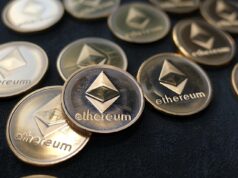
Understanding the fundamentals of cryptocurrency and digital assets is essential for building a resilient investment portfolio. This introductory guide focuses on the basics: learning how blockchain technology underpins various tokens and altcoins, the difference between currency and assets, and how mining contributes to both network security and coin distribution. Proper knowledge of exchanges, wallets, and the mechanics of investing provides beginners with actionable steps to minimize risk and capitalize on market volatility.
An effective crypto investment strategy starts with mastering wallet security–hardware wallets offer significant protection against hacking compared to software-based options. Traders should also grasp the nuances of exchanges, including liquidity, fees, and regulatory compliance, to execute efficient transactions. Investing solely in major cryptocurrencies like Bitcoin or Ethereum is no longer sufficient; diversifying into promising altcoins and tokens backed by real-world use cases broadens portfolio potential while managing volatility.
Real-world case studies demonstrate how arbitrage opportunities arise due to price disparities across exchanges, offering profitable trading windows when executed with speed and precision. Additionally, understanding the role of mining pools, staking, and yield farming expands the scope of crypto assets for portfolio growth beyond simple currency holding. This beginner’s handbook emphasizes security, fundamentals, and practical investment techniques to navigate emerging trends and future developments confidently.
Choosing Reliable Crypto Platforms
Selecting a trustworthy crypto exchange is paramount for beginners investing in cryptocurrency and digital assets. Prioritize platforms with transparent regulatory compliance, including registration with major financial authorities like the FCA in the UK or FINRA in the US. Well-established exchanges such as Coinbase, Kraken, and Binance offer robust security protocols and extensive support for altcoins, tokens, and fiat on-ramps, making them suitable starting points in this investment handbook.
Key fundamentals for assessing a platform’s reliability include:
- Security Features: Look for two-factor authentication (2FA), cold storage for assets, encrypted wallets, and regular third-party audits. Security breaches have historically resulted in significant losses, so prioritize platforms with proven track records of safeguarding user funds.
- Liquidity and Trading Volume: Higher liquidity ensures efficient order execution and minimizes slippage. Exchanges with daily trading volumes in the billions tend to provide better price stability on tokens and altcoins.
- Fee Structures: Evaluate trading, withdrawal, and deposit fees. Transparent fee models help beginners manage investment costs effectively, particularly when building a diversified portfolio.
- User Interface and Educational Resources: Beginner’s guides and intro tutorials within the exchange interface empower investors to understand blockchain basics and digital currency trading nuances.
Security Basics: Wallets and Exchange Custody
Understanding wallet types integrated with your crypto platform is central to protecting digital assets. Platforms offering non-custodial wallets grant users full control over private keys but require a thorough understanding of wallet security practices. Conversely, custodial wallets provided by exchanges simplify access but increase dependence on third-party security measures.
Multi-signature wallets and hardware wallet compatibility reduce risks associated with hacking, especially relevant for portfolios including mined tokens or high-value altcoins. Confirm your platform supports withdrawal whitelist and phishing protection features to strengthen security layers.
Real-World Insights and Advanced Considerations
Mining and arbitrage opportunities relate closely to platform choice. Exchanges that facilitate spot trading on mined cryptocurrency or enable cross-market arbitrage contribute to more dynamic investment strategies. For instance, Binance’s vast crypto pairs and low latency trading infrastructure offer diversified asset management and arbitrage potential.
Monitoring platform reliability during market volatility is critical. Case studies from the 2021 crypto bull run demonstrate that exchanges with transparent communication and contingency plans retained user trust, limiting abrupt trading halts or withdrawal suspensions.
Continually revisiting your chosen platform’s compliance updates and security enhancements aligns with maintaining a resilient digital asset portfolio. This approach ensures adherence to both regulatory standards and technological advancements indispensable for a beginner’s successful crypto investment experience.
Securing Digital Wallets Properly
Use hardware wallets for storing significant amounts of cryptocurrency outside of exchanges, as they keep private keys offline, eliminating exposure to online threats. Devices like Ledger and Trezor support a wide range of tokens and altcoins, making them versatile for diversified portfolios. Ensure firmware is regularly updated to address security vulnerabilities identified in mining or exchange environments.
Implement multi-factor authentication (MFA) on all wallet-related platforms, especially for hot wallets connected to the internet. This adds an extra layer of protection against unauthorized access, crucial for beginners adapting to cryptocurrency security protocols. Avoid reusing passwords across exchanges and wallets; use unique, complex passwords managed through a reliable password manager.
Backup and Recovery Essentials
Maintain multiple secure backups of your wallet’s seed phrase or private keys, ideally using physical methods like metal seed phrase storage to withstand fire or water damage. Never store sensitive recovery information digitally or in cloud storage services, which are common targets for hackers. Losing seed phrases means losing access to all digital assets, regardless of market volatility or portfolio size.
Understanding Wallet Types and Risks
Hot wallets, while convenient for active trading and arbitrage, expose assets to exchange or network risks; beginners should limit the amount held here to reduce potential losses. Cold wallets protect against online breaches but require discipline when conducting transactions. Comprehensive understanding of the fundamentals between custodial and non-custodial wallets improves decision-making in cryptocurrency investment strategies.
Evaluating Investment Risks
Prioritising risk assessment before expanding a crypto portfolio can prevent costly missteps. Unlike traditional assets, cryptocurrency investments expose beginners to volatility, regulatory uncertainty, and technological vulnerabilities. A clear understanding of these factors is fundamental to managing risk in the crypto space.
Volatility and Market Fluctuations
Cryptocurrency prices, including major tokens and altcoins, often experience rapid swings due to market speculation, news events, and large-scale trading volumes on exchanges. For instance, Bitcoin’s historical price drops of over 30% within days emphasize that short-term volatility requires an investment horizon aligned with tolerance for sudden losses. Incorporating a well-researched mix of digital assets helps mitigate risks associated with single-asset exposure.
Security Risks and Mitigation
Security risks extend beyond storing assets in a wallet; exchanges and mining pools can be targets for hacking. Case studies of exchange breaches–such as the Mt. Gox collapse–highlight the dire consequences of inadequate security. Leveraging a hardware wallet combined with two-factor authentication on exchange accounts is non-negotiable. The handbook of crypto essentials for beginners clearly prioritises these measures as foundational for asset protection.
Additionally, smart contract vulnerabilities in decentralized finance (DeFi) projects and certain altcoins demand thorough research before investment. Understanding blockchain robustness and auditing reports enhances risk evaluation for these assets. Beginners must recognise that attractiveness of high yields often accompanies higher risk profiles.
Regulatory landscape shifts directly affect token value and liquidity. Countries imposing strict crypto regulations or bans can trigger rapid devaluation, as seen during policy announcements affecting mining operations in various regions. Monitoring legal developments related to mining, exchanges, and digital currencies remains an ongoing necessity within a comprehensive investment strategy.
Lastly, diversification across different asset types–such as tokens, mining-related investments, and exchange-traded funds–plays a crucial role in reducing unsystematic risk. A beginner’s guide to investing includes allocating funds not only into volatile altcoins but also into more stable, established tokens. Maintaining balanced exposure and routinely reviewing portfolio composition ensure better resilience against market and technological risks.