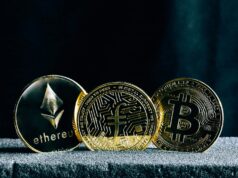
Investors entering the crypto space must prioritise secure wallet setup and understand token functionality before building a portfolio. Each token represents a distinct digital asset on the blockchain, where decentralization ensures transparency and immutability of transactions. Selecting a reliable exchange for trading cryptocurrency and altcoin pairs reduces exposure to fraud and enhances liquidity access.
The high volatility in crypto markets demands disciplined investment strategies and risk management tailored for new investors. Getting started involves grasping foundational concepts such as blockchain’s role in verifying asset ownership, the differences between Bitcoin, Ethereum, and emerging altcoins, and how wallets enable secure storage and transfer. This beginner’s handbook offers a detailed introduction to these elements alongside technical guidance on safeguarding digital assets from hacking attempts.
Understanding recent market trends, including arbitrage opportunities between global exchanges and the impact of network upgrades, equips investors with actionable insights. Security remains paramount: hardware wallets, two-factor authentication, and cold storage techniques protect investments against common vulnerabilities. This guide focuses on practical advice for building a robust crypto portfolio and defines critical terms essential for informed crypto investing.
Choosing Reliable Crypto Wallets
Select wallets that offer robust security features such as multi-signature authorization, hardware compatibility, and regular firmware updates. Hardware wallets like Ledger and Trezor provide cold storage, isolating your cryptocurrency assets from online threats. This separation aligns with blockchain’s decentralization principle by reducing dependence on centralized exchanges for asset custody.
For beginners getting started, a software wallet with an intuitive interface and support for multiple tokens, including altcoins, is advisable. Wallets like MetaMask and Trust Wallet combine ease of use with integrated exchange functions, facilitating asset management and quick arbitrage opportunities within the same app. Make sure the wallet supports the specific blockchain your tokens operate on–Ethereum-based tokens require wallets supporting the ERC-20 standard, for example.
Security Protocols and Backup Practices
Investors must prioritize wallets that implement strong encryption standards and offer hardware-backed key storage. Backing up seed phrases offline and keeping them in secure locations mitigates risks linked to volatility and loss of access. Wallets lacking secure recovery options expose investors to irreversible asset loss, especially critical in markets exhibiting the high volatility typical of cryptocurrency.
Wallet Compatibility and Ecosystem Integration
Choose wallets compatible with your broader investment portfolio and exchanges you use regularly. Integration with decentralized finance (DeFi) platforms or staking protocols can enhance yield on investment while maintaining custody of your digital assets. Reviewing community feedback and updates within the handbook of each wallet can provide insights into ongoing support and vulnerabilities exposure.
Understanding Transaction Fees
Transaction fees are a fundamental part of investing in cryptocurrency and digital assets, directly impacting the cost-effectiveness of every exchange or transfer. These fees compensate miners or validators who maintain the blockchain network’s security by confirming and recording transactions. Unlike traditional banking fees, crypto transaction fees fluctuate based on network demand, blockchain protocols, and asset type, so investors must factor them into their portfolio management from the start.
For example, Bitcoin transaction fees are measured in satoshis per byte and can vary significantly with network congestion. During peak periods, fees may spike from a few cents to over $20 per transaction, which directly affects small investors aiming to build a diverse crypto portfolio with multiple altcoins. On the other hand, blockchains like Ethereum introduced gas fees, which depend on transaction complexity and block demand. This dynamic fee structure challenges beginner investors to monitor gas prices closely to avoid overpaying when executing investment strategies or moving tokens between wallets.
How to Optimize Transaction Costs
Managing fees starts with choosing the right blockchain and timing your transactions. Layer 2 solutions like the Lightning Network for Bitcoin or Polygon for Ethereum offer lower fees while preserving security standards essential for new investors. Additionally, certain exchanges provide options to adjust fees manually or schedule transactions at times of lower blockchain activity, helping to reduce costs without compromising speed.
Understanding the difference between on-chain and off-chain transactions is also critical. Using custodial wallets and exchanges can minimize fees due to batch processing but introduces counterparty risk. A beginner’s investing handbook should highlight balancing such risks with savings from reduced fees. For investors focusing on altcoin arbitrage or frequently rebalancing portfolios, tracking fee trends and integrating fee-aware tools will maximize investment efficiency over time.
Setting Realistic Profit Goals
Define clear profit targets based on the volatility inherent in crypto markets. For beginner’s investing, aiming for modest gains between 5% to 15% per trade or investment cycle keeps expectations grounded and reduces emotional decision-making. Historical data shows that highly volatile altcoins can swing 20% or more within days, but chasing excessively high returns often leads to impulsive trades and losses.
Use a structured approach by breaking down your overall investment goal into smaller, achievable increments. For example, if your target for a new cryptocurrency token is a 30% annual return, plan your trades or holding periods accordingly–factoring in price corrections and market dips observed across exchanges. This aligns with fundamentals in blockchain-based assets, where security updates and token utility can influence valuation trends positively over time.
Monitor your investment portfolio with a focus on asset allocation, balancing proven tokens with emerging altcoins to hedge against sudden market shifts. Tools from well-established digital wallets and exchange platforms facilitate tracking profit and loss on individual positions, helping set realistic exit points. Incorporate historical volatility data and trading volumes from reliable sources to fine-tune your strategy.
In addition, embrace dollar-cost averaging as a technique to manage the impact of market fluctuations on your initial investment. This practical step, recommended in many beginner’s crypto handbooks, reduces risks tied to timing swings and supports steadier accumulation of digital assets. Adjust profit goals periodically to reflect these dynamics and stay aligned with new developments in decentralization and blockchain adoption.