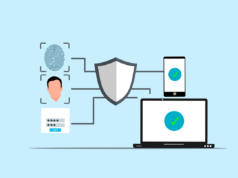

Choosing between custodial and non-custodial solutions involves carefully balancing trust, control, and responsibility. Custodial options offer managed access and centralized security, shifting responsibility to a third party that safeguards private keys on behalf of users. This approach reduces the risk of user error but increases reliance on the custodian’s security infrastructure and policies.
Non-custodial wallets maximize control and decentralization by placing management and responsibility directly in the hands of the user. Self-custody eliminates counterparty risk and aligns with the core principle of decentralized finance, yet it demands strict security practices to mitigate risks such as lost keys or malware attacks. Users gain complete ownership but must handle key backups, recovery, and operational security themselves.
Tradeoffs between these solutions hinge on privacy, access, and risk tolerance. Custodial services often implement advanced security frameworks including multi-signature wallets and insurance mechanisms, enhancing protection but requiring trust in centralized entities. Conversely, non-custodial wallets reinforce privacy and decentralization while demanding higher user competence for secure key management.
Recent market trends reveal increasing demand for hybrid solutions that combine the strengths of both approaches, such as smart contract-based vaults and social recovery mechanisms. Mining pools and arbitrage traders exemplify scenarios where custodial solutions optimize speed and reliability, whereas privacy-conscious users emphasize non-custodial solutions to control their assets without exposure to third-party vulnerabilities.
Understanding the inherent tradeoffs and aligning them with individual risk profiles and operational needs remains critical for effective security management. This analysis provides comparisons grounded in real-world case studies, guiding advanced users through nuanced decisions on custody models, access control, and future decentralized innovations.
Security Tradeoffs in Custody
Opting for custodial solutions inherently shifts security responsibility from the user to a centralized entity, which can simplify access but amplifies trust and management risks. Custodial providers manage private keys and infrastructure, offering streamlined recovery and protection protocols that reduce user-side errors but consolidate risk within a single attack surface.
Key tradeoffs include:
- Control vs. Convenience: Custodial platforms provide managed wallets with simplified access, often including multi-factor authentication and institutional-grade security controls, but users relinquish direct control over assets.
- Risk Concentration: Centralized custody exposes funds to breaches, regulatory freezes, or mismanagement. Notable examples include high-profile exchange hacks where millions were lost due to compromised servers or insider threats.
- Access Management: Custodial services employ advanced hardware security modules (HSMs) and cold storage techniques to mitigate unauthorized access yet remain a focal point of attack given their centralized nature.
- Regulatory and Compliance Impact: Custodial solutions often comply with KYC/AML requirements, which can enhance security through identity checks but reduce privacy and introduce additional points of failure.
Comparisons with Non-Custodial and Self-Custody Options
Non-custodial and self-custody wallets eliminate centralized points of failure, returning security responsibility and control to the user. While this removes trust dependence on third parties, it burdens users with complex key management and increases risk from human error or loss of access credentials.
Key security considerations when evaluating custody options include:
- Assessing your capacity for secure private key storage and backup strategies in self-custody environments.
- Evaluating custodial providers’ security records, infrastructure resilience, and transparency regarding incident response.
- Balancing tradeoffs between decentralization benefits (resilience, censorship resistance) and centralized solutions’ managed risk reduction.
Actionable Recommendations
- For substantial asset holdings or institutional use, consider hybrid custody strategies combining managed custody with self-custody cold wallets to diversify risk.
- Regularly audit custodial providers’ security practices, including penetration testing results and incident disclosures.
- Implement multi-signature configurations where possible in custodial solutions to add layers of security beyond single access credentials.
- Maintain robust off-chain record-keeping and access controls to complement custodial wallet security, ensuring rapid reaction to compromise scenarios.
Managed vs Self-Custody Risks
Choosing between managed (custodial) and self-custody solutions requires evaluating inherent risks tied to control and responsibility. Managed custody centralizes access and private key management with a third party, reducing user burden but increasing exposure to centralized failure points, such as breaches, regulatory interventions, or insolvency. Self-custody provides direct control and ownership but demands rigorous security discipline, as loss of keys equates to irreversible asset loss.
Security tradeoffs hinge on trust: custodial solutions require confidence in the provider’s operational security, insurance policies, and compliance frameworks. Conversely, self-custody shifts trust towards personal competence in key management, hardware wallets, or decentralized tools, emphasizing privacy and avoiding single points of failure. Recent events, such as high-profile exchange hacks and insolvencies, underscore risks of custodial reliance, driving demand for decentralized, non-custodial alternatives despite their increased user responsibility.
Control and Risk Management
Self-custody maximizes control by enabling users to retain private keys and dictate access protocols, mitigating risks associated with third-party theft or mismanagement. However, it also imposes responsibility for backup strategies, secure storage, and protection against social engineering. Advanced users often combine hardware wallets with multi-signature schemes, enhancing defenses against compromise but complicating access management.
Managed custodial solutions optimize usability and recovery options, offering customer service and sometimes insurance. This centralized model streamlines operations but introduces systemic risks, such as regulatory clamps or liquidity freezes affecting millions. In trading scenarios like arbitrage, custodial platforms facilitate rapid asset movement, but trust in platform resilience is critical as downtime or restrictions can result in missed opportunities and financial losses.
Privacy and Future Trends
Decentralization aligns with privacy principles, as self-custody avoids data aggregation typical in custodial services, reducing exposure to identity leaks and surveillance. Emerging non-custodial solutions increasingly integrate decentralized finance (DeFi) protocols, enabling users to maintain custody while accessing complex financial products. Meanwhile, custodial services are exploring hybrid models, combining managed security layers with user-controlled elements to balance convenience and risk.
Market trends suggest a growing awareness of these tradeoffs, prompting enhanced education around private key security and the proliferation of usability-focused non-custodial wallets. Security-conscious practitioners should evaluate personal capabilities, asset value, and operational needs thoroughly before selecting custody models, balancing the scales between control, risk, and convenience within an evolving regulatory and technological environment.
Custodial Wallet Security Gaps
Custodial wallets introduce inherent security gaps rooted in centralized management and limited user control. By entrusting private keys to a third party, users relinquish direct responsibility and immediate authority over access, amplifying risks related to platform breaches, insider threats, and regulatory interventions. Historical incidents, such as major exchange hacks like Mt. Gox and Coincheck, illustrate how the compromise of custodial infrastructure can result in significant asset losses for end users.
The tradeoffs between convenience and security become apparent when evaluating custodial solutions. Although managed wallets reduce user overhead in key management, the centralized nature concentrates attack vectors. Attackers target custodial platforms with sophisticated exploits, exploiting both technical vulnerabilities and social engineering. Moreover, platform-level downtime or sanctions can restrict access, exposing users to liquidity and operational risks that decentralized, self-custody wallets inherently mitigate by design.
Privacy and Trust Considerations
Custodial options inherently compromise privacy due to required user identification and on-chain activity tracing linked to platform-held addresses. This centralization of data increases susceptibility to surveillance and potential data resale. Trust shifts from cryptographic guarantees toward reliance on the custodial entity’s internal controls, governance, and compliance posture.
For users evaluating these solutions, understanding the security gaps means accounting for the custodial provider’s track record in risk management, transparency, and incident response. Multi-signature custodial models and third-party audits can partially address some risks but do not eliminate the fundamental tradeoffs between centralized custody and decentralized ownership.
Balancing Access Control and Security
Access control in custodial wallets is often enforced through conventional authentication methods, such as passwords, two-factor authentication, or biometric logins. However, these controls depend heavily on the custodial provider’s security infrastructure. In contrast to non-custodial wallets, where users maintain cryptographic keys offline or within hardware devices, custodial wallets concentrate responsibility for security within a managed environment. This amplifies systemic risks and highlights the necessity for robust incident management protocols, legal guarantees, and insurance coverage by custodial entities.
Comparisons indicate that while custodial solutions may simplify user experience, the security gaps linked to centralization, trust dependency, and reduced user control remain significant. Professionals advised to adopt custodial wallets should weigh these considerations carefully against decentralized alternatives where control and privacy align more closely with blockchain’s foundational principles of trustless security and self-custody.
Decentralized Solution Vulnerabilities
Relying on decentralization for self-custody solutions introduces unique vulnerabilities tied to responsibility and access management. Non-custodial wallets grant full control to the user, but this control shifts all security burdens solely onto the individual, increasing risk if private keys are mishandled or lost. Unlike custodial options, where security management is centralized, decentralization demands a thorough understanding of key backup strategies and threat models to mitigate irreversible asset loss.
Phishing attacks and compromised software remain significant threats in the decentralized space. For instance, malware targeting wallet seed phrases or private keys can bypass the absence of centralized intermediaries, directly exposing users’ assets. Additionally, smart contract vulnerabilities in decentralized applications and protocols can lead to exploitations impacting wallet security and funds, as demonstrated by multiple DeFi protocol breaches causing millions in losses.
Privacy considerations also present tradeoffs in decentralized environments. While decentralization enhances user sovereignty and reduces reliance on trusting custodial entities, transparent blockchain ledgers can inadvertently expose transaction patterns and holdings, undermining privacy without additional obfuscation tools. Users must weigh these elements against their security strategies when selecting non-custodial solutions, assessing the potential for deanonymization alongside control benefits.
Current market trends show increasing complexity in wallet management options, such as multisignature setups and hardware wallet integrations, which aim to reduce single points of failure. However, these introduce usability challenges that can lead to misconfiguration or errors, amplifying risk in self-custody scenarios. Specialist knowledge and robust security practices become paramount, underlining that decentralization does not eliminate risk but redistributes it and shifts responsibility entirely to the user.