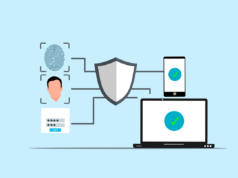

Implement continuous risk assessment to protect your decentralized finance holdings: evaluating protocol vulnerabilities and monitoring platform security updates are vital for safeguarding investments. Regularly auditing smart contracts and tracking changes in protocol governance controls reduce exposure to exploits and minimize potential losses.
Effective mitigation measures include diversifying assets across multiple DeFi platforms and employing stop-loss mechanisms tailored to decentralized protocols. Protecting the integrity of your holdings requires rigorous control processes and active incident response plans, aligned with industry best practices in security and finance.
Securing DeFi positions demands a thorough understanding of platform-specific risks such as liquidity, oracle failures, and flash loan attacks. Integrating automated monitoring tools enhances safety by providing real-time alerts on suspicious activity and protocol upgrades. Case studies from recent arbitrage mining operations reveal that combining manual oversight with smart contract security audits significantly reduces risk.
Collateral Optimization Techniques
Maximizing the efficiency and safety of collateral assets plays a pivotal role in securing DeFi protocol positions. A rigorous assessment of collateral types enables better control over investments: prioritizing high-liquidity assets with strong market depth reduces liquidation risk and ensures rapid portfolio adjustments under adverse conditions.
Implement dynamic collateral management strategies by continuously monitoring price volatility and adjusting collateral ratios accordingly. For example, stablecoins and wrapped tokens often provide superior stability and integrity, serving as reliable collateral during market turbulence. Integrating automated triggers on decentralized platforms helps enforce these adjustments, safeguarding holdings: this reduces exposure and enhances the protocol’s security posture.
Multi-Asset Collateral Diversification
- Mitigate risk through diversified asset pools rather than relying on a single collateral type, distributing exposure across various tokens to prevent significant losses from a single asset’s devaluation.
- Employ real-time risk assessment tools that factor in volatility, liquidity, and correlation among collateral assets to maintain overall portfolio safety.
- Consider stepwise liquidation penalties tailored to different assets, ensuring the platform’s integrity during rapid market shifts while protecting user investments:.
Advanced Collateral Utilization
- Implement collateral stacking techniques by leveraging assets within nested DeFi protocols. This requires detailed security measures to avoid cascading failures, preserving both protocol and user holdings:.
- Use on-chain analytics for continuous protocol risk assessment, allowing proactive measures safeguarding collateral integrity.
- Apply cross-chain collateral integration to expand asset options while maintaining consistent control and security standards across interconnected decentralized platforms.
Real-world case studies from leading protocols reveal that collateral optimization directly correlates with enhanced risk mitigation. Platforms adopting these techniques exhibit improved resilience during price crashes, minimizing forced liquidations and maintaining a higher standard of safety for investors and their holdings:.
Smart Contract Vulnerability Prevention
Implementing rigorous security audits is the foremost control for safeguarding DeFi protocol smart contracts. Independent third-party assessments reveal hidden vulnerabilities such as reentrancy, integer overflows, and improper access controls, which directly impact the integrity of assets and investments: locked within the platform. For example, the infamous DAO hack exploited a reentrancy flaw, leading to losses exceeding $60 million, highlighting the necessity of continuous code review combined with automated static and dynamic analysis tools.
Adopting modular contract design reduces risk by isolating critical components, enabling targeted updates without compromising the entire protocol. This method enhances maintenance and mitigates systemic failures, facilitating better control over each contract’s security posture. Integrating formal verification methods further elevates safety by mathematically proving contract logic adheres to predefined specifications, a practice increasingly applied in high-value decentralized finance projects to ensure predictable and secure behavior under diverse conditions.
Real-time monitoring frameworks and anomaly detection systems play a crucial role in protecting holdings: by flagging suspicious activities, such as unexpected state changes or abnormal gas usage, which often signal attempted exploits. Coupling these systems with multi-signature wallets for administrative functions increases safeguarding efficacy through distributed control, minimizing the risk of single points of failure in governance and emergency response.
Mitigation strategies must also include timely patching and upgrade mechanisms embedded in the protocol design, allowing secure migration paths for users’ investments: and assets: without exposing them to downtime or exploitation. The compound finance platform’s approach to upgradeable proxy contracts demonstrates effective safeguarding by maintaining continuity while rolling out security improvements, reinforcing overall safety and security standards crucial for maintaining user trust in decentralized finance.
Liquidity Risk Monitoring
Implement continuous liquidity risk assessment to maintain effective control over DeFi holdings: volatility in asset availability directly impacts the integrity of decentralized protocols. Utilize on-chain analytics tools to track real-time liquidity pools and their depth, ensuring adequate asset reserves to support transaction demands and prevent slippage. Protocols experiencing sudden drops in liquidity require immediate mitigation measures, such as rebalancing or incentivizing liquidity providers.
Protecting investments: integrating automated alerts for liquidity thresholds can serve as early warning systems. For example, platforms like Uniswap and Curve employ metrics on pool utilization rates and impermanent loss to guide safeguarding strategies. Regular stress testing of liquidity scenarios–including withdrawal surges and arbitrage attacks–strengthens the platform’s safety by preemptively identifying vulnerabilities.
Proactive Measures for Liquidity Control
Security frameworks must incorporate dynamic liquidity buffers, calibrated through quantitative risk models that consider market volatility, trading volume, and asset correlation. Combining these models with decentralized governance enables adaptive parameter adjustments in real time, securing the protocol against rapid liquidity depletion. Moreover, diversification of assets: spanning stablecoins and volatile tokens, reduces concentration risk and bolsters the platform’s resilience.
Case studies from the 2021 DeFi market illustrate how liquidity monitoring prevented major protocol failures during black swan events. Platforms employing sophisticated liquidity assessment protocols maintained operational safety while others faced liquidation cascades. Incorporating these lessons reinforces safeguarding mechanisms and elevates the overall security posture of decentralized investments: ensuring enduring protocol integrity and investor confidence.