
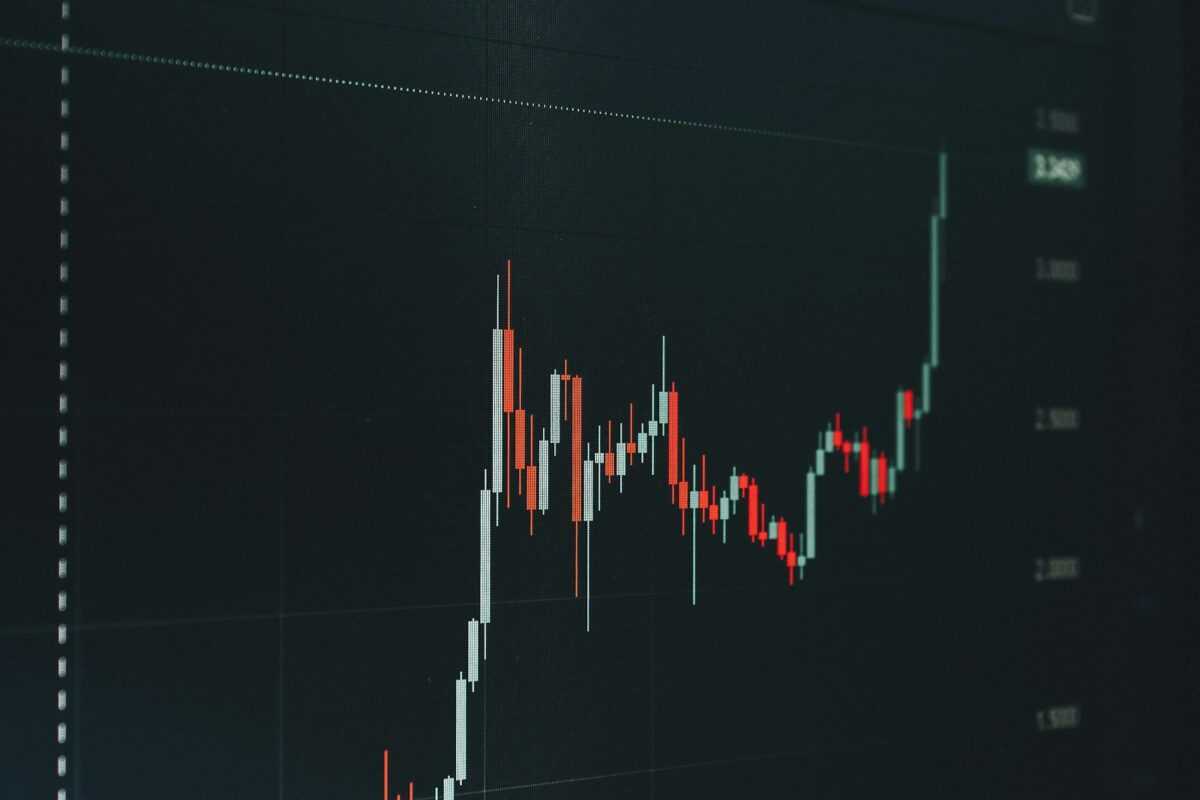
Dollar-cost averaging (DCA) offers a simple and reliable method for investing in cryptocurrency that minimizes the impact of market volatility. By allocating a fixed amount of capital over regular intervals, traders reduce exposure to short-term price swings, creating a disciplined approach that suits long-term investment horizons. This strategy supports diversification within a crypto portfolio, enabling a smoother accumulation of assets over time without the pressure of timing the market.
Using a dollar-cost averaging strategy: traders commit to continuous purchases of selected coins regardless of price fluctuations. This reduces the risk associated with lump-sum entries that can coincide with market peaks. For example, investing £200 every month into Bitcoin during periods of high volatility has historically yielded better average prices and lower downside risk than infrequent, large investments.
This easy approach also enhances security and risk management, as gradual investment limits exposure to potential downturns. Coupling DCA with thorough asset research and secure wallet usage ensures the crypto assets are protected against market and operational risks. Additionally, balancing this method with strategies like arbitrage or mining income reinvestment can further optimize portfolio growth.
Dollar Cost Averaging in Crypto
Dollar cost averaging: an uncomplicated investment approach designed to mitigate volatility risk for cryptocurrency traders. By dividing the total investment amount into fixed portions over set intervals, investors minimize exposure to short-term price swings inherent in crypto markets. This strategy: reduces psychological pressure and avoids poor timing decisions caused by market unpredictability.
This method proves especially effective in crypto investing due to the asset class’s high volatility, where prices can dramatically fluctuate within hours or days. Allocating consistent sums weekly or monthly fosters easy diversification across various cryptocurrency projects, supporting a balanced portfolio without requiring extensive market prediction skills.
Strategic Implementation and Risk Management
Applying dollar-cost averaging over an extended period builds positions steadily, minimizing risk tied to market timing. For instance, allocating $500 monthly over 12 months into Bitcoin and Ethereum can lead to lower average acquisition costs compared to lump-sum purchases near peaks. Evidence shows this approach often outperforms irregular bulk investments, particularly amidst heightened bearish phases.
Security remains paramount: traders must utilize hardware wallets and reputable exchanges to safeguard assets during the accumulation process. Incorporating automated buy orders via trusted platforms further streamlines the strategy, allowing disciplined execution without emotion-driven alterations to the plan.
Market Trends and Future Considerations
Recent trends demonstrate growing institutional adoption of dollar-cost averaging, leveraging its simplicity to enter volatile crypto assets with minimized risk over time. As decentralized finance (DeFi) expands, incorporating this method within diversified token baskets presents opportunities for enhanced long-term yield.
Looking forward, dollar cost averaging remains a robust and easy-to-apply method for crypto investors focusing on steady accumulation. Combining this strategy with ongoing market research and prudent security practices equips traders to navigate price volatility while maintaining a measured investment trajectory.
Setting Up Regular Purchase Plans
Establishing a regular purchase plan for cryptocurrency investment ensures disciplined execution of the dollar-cost averaging strategy, which minimizes the impact of market volatility on the portfolio over time. Traders should determine a fixed investment amount and interval–commonly weekly or monthly–to maintain an unbiased approach to market fluctuations. This method reduces emotion-driven decisions and leverages consistent entry points into the crypto market.
For practical implementation, automate purchases via exchanges that support scheduled buys or use third-party services with API integration for effortless portfolio scaling. Selecting a stable fiat currency or stablecoin as the funding source simplifies the process, avoiding conversion delays and optimizing execution speed. Regular investing with dollar-cost averaging: strategy avoids lump-sum risks and supports easier diversification across multiple cryptocurrencies.
Fine-Tuning Frequency and Amount
The optimal frequency of crypto purchases depends on market volatility and personal risk tolerance. Higher purchase frequency with smaller amounts captures more granular price averages but may increase transaction fees, which impact net returns. Conversely, longer intervals reduce costs but expose investment to wider price swings. Balancing these factors is key.
For example, a $1,200 monthly budget can be split into twelve $100 weekly buys or a single monthly purchase. Weekly averaging might better smooth price fluctuations on volatile assets like altcoins, while monthly buys work well for liquid, major cryptocurrencies such as Bitcoin or Ethereum. Traders focusing on long-term growth should monitor performance metrics regularly and adjust the plan to maintain alignment with portfolio objectives.
Security and Risk Management
Integrating secure wallet solutions and multi-factor authentication in the automated purchase setup prevents unauthorized actions and secures the investment over extended periods. Minimizing risk with dollar-cost averaging: strategy includes avoiding overexposure to any single cryptocurrency and regularly rebalancing to maintain diversification. Combining automation with periodic manual reviews ensures adherence to investment goals and mitigates systemic risks inherent in crypto markets.
Choosing Investment Amounts
Set your investment amounts based on a fixed percentage of your total portfolio to maintain consistency over time. A common approach among experienced crypto traders is allocating between 1% to 5% of their portfolio per interval, balancing exposure to cryptocurrency volatility and risk management. This simple method keeps your overall risk in check while facilitating the ease of averaging.
Opting for smaller, regular investments helps minimize the impact of short-term price swings, making dollar-cost averaging an effective strategy for reducing volatility risk. For instance, investing £100 weekly rather than £500 monthly encourages better price layering and smoother portfolio growth. This strategy aligns with the fundamental dollar-cost averaging approach: consistently purchasing over time regardless of market conditions.
Risk and Portfolio Alignment
Align your investment amounts with your individual risk tolerance and liquidity needs. High volatility in certain cryptocurrencies demands a more conservative allocation, whereas more established coins might justify larger regular investments. Consider diversifying investments within your portfolio and avoid overconcentrating on a single asset to minimize systemic risk.
Tracking historical volatility metrics, such as a coin’s 30-day standard deviation, offers quantitative insight to adjust investment amounts accordingly. For example, during periods of heightened market uncertainty, decreasing your investment portion can protect your capital while maintaining your dollar-cost averaging strategy.
Practical Considerations for Crypto Traders
Leverage automatic purchase plans on reputable exchanges to implement your chosen investment amounts without manual intervention. Automating regular buys ensures discipline in an easy, hands-off manner that suits long-term portfolio building. Additionally, factor in transaction fees when setting amounts to avoid diminishing returns on small purchases.
Ultimately, a simple, methodical approach to choosing investment amounts strengthens your overall dollar-cost averaging strategy by making it scalable and adaptable amidst cryptocurrency market fluctuations. Consistent execution over time with thoughtfully sized investments remains the cornerstone of minimizing risk and optimizing returns in crypto investing.
Tracking and Adjusting Investments
Maintaining a disciplined approach to tracking your dollar-cost averaging strategy is paramount for managing risk and maximizing returns over time. Utilize portfolio tracking tools tailored for cryptocurrency to monitor your investment’s performance against market volatility. Accurate tracking enables traders to identify when reallocations or adjustments are necessary without disrupting the core averaging method.
Simple, regular reviews every quarter allow investors to assess diversification and rebalance their portfolio if certain assets disproportionately impact overall risk. For example, if a particular cryptocurrency’s weight grows excessively due to price appreciation, trimming that position in favor of underrepresented assets restores balance and maintains the strategy’s integrity.
Adjusting Investment Amounts with Market Conditions
- Volatility-based tweaks: Temporarily increasing your crypto purchases during market dips can enhance average cost benefits, while reducing exposure in rapid bull runs helps lock in gains.
- Risk tolerance recalibration: As your personal circumstances evolve, adjusting monthly investment amounts reflects changes in disposable income, risk tolerance, or financial goals without abandoning the averaging discipline.
- Incorporate new cryptocurrencies: Periodically review market shifts and technological advancements to diversify your crypto allocation, ensuring your strategy adapts to industry innovation without compromising dollar-cost averaging’s simplicity.
Best Practices for Efficient Tracking
- Leverage automated portfolio tracking apps: Choose platforms that sync with exchanges and wallets, offering real-time analytics and alerts to reduce manual errors and save time.
- Maintain detailed records: Document each purchase’s date, amount, and price to evaluate the true average cost and identify patterns that inform future adjustments.
- Set performance benchmarks: Compare your averaging portfolio against relevant indexes or alternative strategies periodically to ensure your method remains aligned with long-term objectives.
Integrating systematic tracking and measured adjustments elevates the dollar-cost averaging strategy from a static method to a dynamic investment tool, empowering traders to manage portfolio risk amidst the unpredictability of cryptocurrency markets.