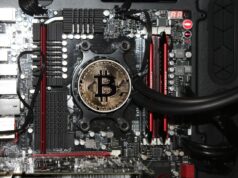

To receive payments securely as a freelancer, setting up a reliable cryptocurrency wallet is the first step. Whether you prefer Bitcoin, Ethereum, or alternative altcoins, your wallet acts as the gateway to receiving tokens directly without intermediaries. Understanding how blockchain technology underpins decentralized payments empowers freelancers to manage earnings efficiently and transparently.
Freelancing with crypto payments offers advantages beyond traditional exchange-based transactions. Blockchain’s decentralized nature reduces fees and processing times, while smart contracts can automate payment releases upon work completion. Exploring cryptocurrencies such as Bitcoin for overarching stability or Ethereum for its programmable tokens expands payment options. Altcoins like Litecoin or stablecoins provide alternative routes with varying transaction speeds and volatility profiles.
Receiving crypto as freelance payments requires careful attention to security and exchange practices. Freelancers must select wallets compatible with multiple coins to handle payments seamlessly. Employing hardware wallets for storage and using reputable exchanges for conversions safeguard funds. Real-world cases from mining-generated token economies illustrate how freelancers capitalize on on-chain transparency while minimizing counterparty risks.
Set Up Crypto Wallets
Choose a wallet that supports both bitcoin and altcoins to receive diversified payments in freelancing work. Hardware wallets like Ledger or Trezor provide physical security by storing private keys offline, reducing risks related to mining attacks or network exploits. For freelancers dealing with multiple tokens, multi-currency wallets such as Exodus or Atomic Wallet streamline management by integrating blockchain protocols from ethereum, bitcoin, and various altcoins.
When configuring your wallet, prioritize one with robust security features–two-factor authentication, seed phrase backup, and encryption are critical to protect your funds from unauthorized access. Given the decentralized nature of cryptocurrency, losing wallet credentials means losing control over your tokens. Ensure wallets are compatible with smartcontracts if you plan to engage in automated payments or escrow services typical in freelance agreements.
Integrate wallets with reputable exchange platforms to convert cryptocurrency payments into fiat or alternative coins efficiently. This connection aids freelancers in optimizing earning flows, especially when market volatility impacts token value. Wallets that provide real-time exchange rates and seamless transaction confirmations aid freelancers in timely payment processing while minimizing blockchain fees.
Consider wallets that support decentralized finance (DeFi) protocols, allowing freelancers to stake tokens or participate in liquidity pools, thus turning freelance payments into passive income streams. Understanding wallet interoperability within blockchain ecosystems ensures smooth interaction across various crypto assets commonly used in freelancing, extending beyond bitcoin to emerging tokens with specialized use cases.
Share Wallet Addresses Securely
To receive payments reliably in bitcoin and altcoins, always share your wallet address using encrypted channels or trusted communication platforms. Sending wallet addresses via unencrypted email or public social media exposes you to phishing attacks and address substitution scams. Use end-to-end encrypted messengers like Signal or ProtonMail for sharing your receiving addresses with clients.
Double-check addresses before sending them out. Crypto addresses are long strings of alphanumeric characters that can easily be altered maliciously or by error. Copy-pasting from a secure wallet interface reduces mistakes; confirm the beginning and end characters verbally with your client or through a separate message to avoid interception. Using QR codes generated by your wallet app also helps eliminate human error during the transfer.
Use Payment Invoices and Smartcontract Solutions
Some crypto wallets and business platforms support generating payment invoices embedded with your wallet address and requested coin amount. This method minimizes manual input errors and streamlines receiving multiple payments in tokens such as ethereum or other altcoins. Freelancers can also explore decentralized smartcontract-based payment protocols, which automate escrow services and guarantee that funds reach your wallet only when predefined work conditions are met.
Verify Network and Blockchain Details
Always specify the correct network and coin type when sharing your wallet address. For example, ethereum tokens on the ERC-20 standard require an ETH wallet on the Ethereum blockchain, while bitcoin operates on a separate chain. Requesting bitcoin to an ethereum address, or vice versa, results in lost funds irrecoverably. Highlighting this difference in your payment instructions prevents confusion and protects your earnings from accidental loss.
Adopting multi-signature wallets or hardware wallets adds an extra security layer to your crypto freelancing: earnings. When sharing addresses, mention which wallet type supports additional security features and how clients can confirm address authenticity through blockchain explorers. This approach reinforces trust and reduces risks inherent in decentralized cryptocurrency payments.
Track Incoming Crypto Payments
Use blockchain explorers specific to the cryptocurrency network to verify and track incoming payments in real time. For example, when paid in bitcoin or ethereum, enter your wallet address into block explorers such as Blockchain.com or Etherscan.io to confirm transaction status, timestamps, and amount details. Monitoring the blockchain directly eliminates reliance on third-party notifications and enhances security by preventing missed or fraudulent payment claims.
Integrate wallet apps or software that provide push notifications and automated alerts for incoming tokens. Many decentralized wallets offer features to track altcoins alongside bitcoin, giving freelancers a consolidated view of earnings across multiple crypto assets. Leveraging API connections with a crypto exchange or portfolio tracker can streamline management and present clear accounting for freelancing income.
Smart Contracts and Payment Verification
Working with clients who use smartcontracts, especially on Ethereum or similar platforms, allows freelancers to automatically verify that agreed payments have been executed before delivering services. This method reduces disputes and delays, making freelancing payments more transparent and reliable. Tracking these transactions requires familiarity with the relevant decentralized applications (dApps) and blockchain analytics tools.
Security Practices in Tracking Payments
Always secure your wallet access credentials and avoid sharing private keys when monitoring incoming payments. Utilize hardware wallets or multi-signature setups where possible to protect funds after receipt. Since altcoins vary in network speed and fee structures, understanding network congestion and confirmation times is essential to realistically estimate when funds become spendable. Freelancers who combine robust transaction tracking with rigorous security protocols build trust and improve cash flow management within the cryptocurrency freelancing ecosystem.