
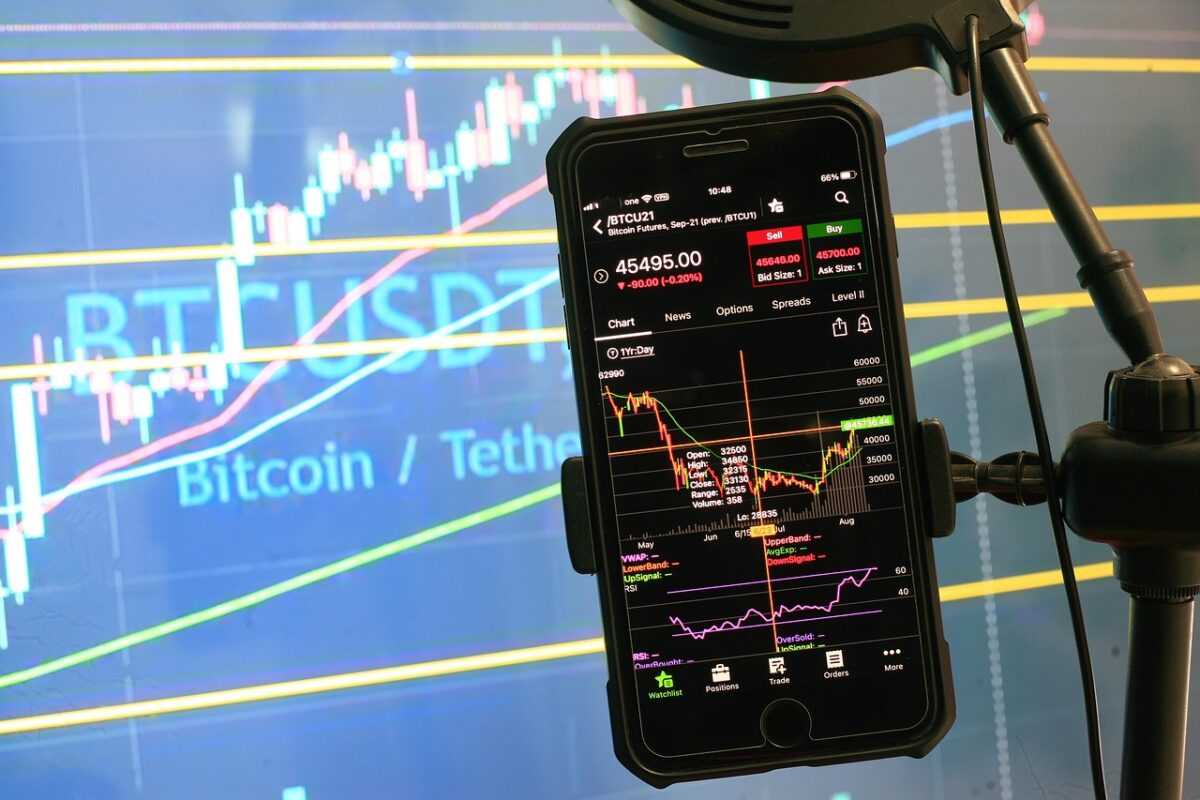
Decoding a cryptocurrency price chart requires a precise understanding of market fundamentals and key indicators such as support and resistance levels. These charts detail price movements through graphical representations like candlestick patterns, which provide insight into the asset’s momentum and prevailing trend. Interpreting these correctly informs better trading decisions by highlighting when an asset is likely to reverse or continue its trajectory.
Analyzing volume alongside price action gives a fuller picture of crypto market behaviour. For instance, a high trading volume at a resistance point can indicate strong seller presence, potentially precipitating a price drop. Conversely, rising volume during an uptrend confirms bullish strength. This beginner’s guide explains how combining candlestick formations with volume and trend indicators helps decode complex digital asset charts effectively.
Volatility in cryptocurrency markets remains a critical factor. Understanding how price trends: respond to external triggers–such as mining news, security breaches, or arbitrage opportunities–enhances your ability to read charts: beyond surface-level movements. Recognising clusters of support and resistance sets clearer entry and exit points, reducing risk during high volatility periods and refining trade timing through actionable insights.
Identifying Key Chart Patterns
Recognizing specific chart patterns unlocks critical insights into cryptocurrency price movements and momentum shifts. Start by analyzing candlestick charts to spot formations like Head and Shoulders, Double Tops and Bottoms, and Flags, which serve as strong trend indicators. For instance, a Head and Shoulders pattern frequently signals a potential reversal from an uptrend to a downtrend, highlighting a shift in market momentum and possible resistance breakdown.
Support and resistance zones are fundamental in decoding pattern implications. When a price breaks through resistance after forming an ascending triangle, it often confirms bullish momentum, suggesting a continuation of upward trends. Conversely, a descending triangle typically indicates persistent selling pressure, forecasting possible declines. This distinction is vital in volatile crypto markets to time trades effectively and protect assets.
Analyzing volume alongside these patterns refines understanding of price volatility and trend strength. For example, increased volume during a bullish Flag breakout validates the pattern’s reliability as an entry indicator. Conversely, low volume during a breakout often signals a false move, urging caution. Beginner’s introduction to these price patterns should incorporate backtesting using historical asset charts, enhancing pattern recognition skills and decision-making precision.
Decoding cryptocurrency chart patterns is a practical guide to anticipate price shifts rather than react to them. Patterns like the Cup and Handle or Bullish Engulfing candlestick formation offer high-probability setups when combined with momentum indicators such as RSI or MACD. Integrating pattern recognition with these indicators provides a comprehensive market framework, aligning digital asset investments with prevailing trends and minimizing exposure to volatile market corrections.
Using Candlestick Formations
A clear understanding of candlestick formations enhances the accuracy of analyzing crypto price charts and predicting market movements. Each candlestick represents the open, high, low, and close prices within a specific time frame, offering vital clues about momentum and volatility in a cryptocurrency asset. Recognising key candlestick patterns–such as doji, hammer, and engulfing formations–provides insight into potential trend reversals or continuations, which can be critical for timing entry and exit points.
Support and resistance levels become more actionable when combined with candlestick patterns. For instance, a hammer candlestick forming near a support zone may indicate a strong buying momentum emerging after a downturn. Conversely, an engulfing bearish candle forming at a resistance level often signals increased selling pressure ahead. Decoding these formations alongside volume data further strengthens the interpretation, as rising volume during a pattern typically confirms the validity of the trend shift.
Practical Application and Indicators
Incorporating candlestick analysis with other technical indicators refines the decision-making process. Moving averages or Relative Strength Index (RSI) can validate signals generated by candlestick patterns, reducing false positives caused by market noise or short-term volatility. For example, spotting a bullish engulfing pattern followed by an RSI below 30 often suggests oversold conditions ripe for a positive reversal in a cryptocurrency’s price.
For beginners, focusing on a handful of reliable candlestick patterns makes the process manageable and effective. Patterns like the shooting star or morning star have a well-documented impact on price movements, backed by extensive empirical data. Continuous observation of how these patterns interact with digital asset fundamentals and broader market trends improves understanding and enhances trading strategies over time.
Interpreting Volume Indicators
Volume serves as a pivotal indicator when analyzing crypto price charts: it reflects the number of digital asset units traded within a specific period, reinforcing or challenging emerging trends.
The fundamental principle involves correlating volume with price movements to gauge the strength of a trend. For instance, an upward price movement accompanied by increasing volume indicates strong market participation, suggesting bullish sentiment. Conversely, price rises on declining volume often signal weak momentum and a potential reversal.
Decoding the relationship between volume and support or resistance levels enhances trade timing. When a cryptocurrency price breaks through a resistance zone with a spike in volume, it’s a reliable signal of a sustainable breakout. In contrast, a breakout on low volume may indicate a false rally or volatility-driven manipulation.
Candlestick charts paired with volume annotations provide granular insight into buyer and seller dynamics. For beginners, focusing on volume patterns such as volume spikes during consolidation or volume dry-ups at critical chart pattern points affords an early introduction to market psychology. Experienced traders utilize these cues for arbitrage opportunities or deploying stop-loss strategies effectively.
Recent market case studies, such as Bitcoin’s April 2024 rally, demonstrated that sustained high volume during price surges accompanied by healthy pullbacks confirmed a robust upward trend. This contrasts with altcoin markets where volume anomalies highlighted liquidity constraints, emphasizing the necessity of understanding volume within the broader crypto ecosystem context.
In sum, volume indicators provide a multidimensional guide for interpreting momentum, reversals, and market participation strength. Mastering their use integrates the fundamentals of decoding price charts with advanced security in trading decisions.