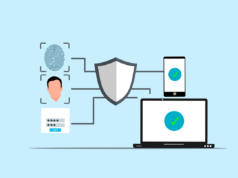
Adopting robust multi-factor authentication (MFA) methods is critical for enhancing security and controlling access in sensitive environments such as cryptocurrency exchanges and blockchain platforms. Deploying advanced technologies like biometrics and hardware tokens adds layers of verification, reducing risks from password compromise and unauthorized authorization attempts.
Enforcing MFA with encryption techniques strengthens identity verification by combining knowledge factors, possession factors, and inherence factors. Real-world case studies from crypto mining pools demonstrate how integrating biometric verification beyond traditional OTPs leads to a measurable decrease in account breaches and fraudulent access, enabling tighter control over user authorization.
Future-proof security architectures depend on enhanced authentication frameworks that go beyond static credentials. Methods: deploying behavioral biometrics, device fingerprinting, and adaptive risk-based verification supplement existing MFA protocols to thwart increasingly sophisticated attacks. Incorporating these multi-factor authentication: strategies ensures comprehensive coverage across all access points and mitigates emerging threats in crypto arbitrage and asset management.
For organisations targeting more secure environments, adopting a layered approach toward verification and authorization is indispensable. Combining advanced encryption with automated access control: mechanisms enhances resilience, reinforcing the trustworthiness of digital assets. This step is critical not just today but for maintaining security in the evolving future landscape of blockchain and decentralized finance operations.
Integrating MFA into Legacy Systems
Begin by deploying adaptive multi-factor authentication methods: leverage existing identity providers and authentication flows through protocols like SAML or OAuth to minimize disruption. Enforcing multi-factor verification on legacy systems requires bridging gaps with modern technologies, such as token-based authentication or biometric modules, which can be layered atop current infrastructures.
Enhanced control: implement PAM (Privileged Access Management) solutions that add an additional authorization step for sensitive operations, ensuring robust security without overhauling legacy applications. Encryption of credentials at rest and in transit remains critical, especially when adapting MFA technologies that rely on challenge-response mechanisms.
Advanced MFA Techniques for Legacy Environments
Deploy hardware tokens or mobile authenticator apps integrated via API gateways to extend multi-factor verification to legacy platforms lacking native support. Combining biometrics with traditional methods enriches the authentication process beyond passwords, supplying an advanced layer of security and tamper resistance.
Future-proof integration relies on flexible, modular MFA frameworks compatible with both on-premises and cloud environments. By adopting these control methods, organizations ensure secure access control while maintaining operational continuity and reducing risk vectors inherent to legacy systems.
Configuring Risk-Based Authentication
Deploying risk-based authentication (RBA) significantly enhances security by dynamically adjusting verification requirements based on contextual data. To implement a robust RBA system, begin by integrating advanced analytics that evaluate user behaviour, device reputation, location, and transaction patterns. These factors enable the authentication system to assign risk scores in real time, enforcing multi-factor authentication protocols only when risk thresholds are exceeded, thereby balancing security and user experience.
Effective RBA setups rely on strong encryption to safeguard risk data and the continuous monitoring of access requests. Incorporate biometric verification among MFA methods when higher risk levels are detected, as biometrics provide an additional layer of identity assurance beyond passwords or tokens. Enforcing contextual authorization control ensures that users encountering suspicious environments undergo enhanced verification steps, preventing unauthorized access while reducing friction for low-risk scenarios.
Deploy technologies that support adaptive authentication policies, allowing granular control over which verification methods are triggered depending on the risk assessment. For example:
- Low-risk access: password and device recognition
- Moderate risk: adding OTP or push notification confirmation
- High risk: deploying biometrics or hardware security keys
Adopting these methods makes authentication more robust and future-proof, accommodating emerging attack vectors while maintaining scalability. Enterprises in crypto trading and arbitrage sectors have leveraged RBA to detect anomalous withdrawal requests, locking accounts with advanced MFA and escalating authorization controls beyond conventional authentication models.
In the future, combining risk-based authentication with AI-driven threat intelligence will enable systems to predict and counteract sophisticated attacks more proactively. Continuous improvement in encryption standards alongside multi-factor authentication protocols ensures that adopting risk-based controls remains a cornerstone in securing sensitive operations responsibly and efficiently.
Managing MFA for Remote Workforces
Deploying robust multi-factor authentication (MFA) is indispensable for remote workforces to ensure secure access and authorization. Leveraging advanced verification methods, including biometrics and physical security keys, enhances control beyond traditional password schemes. Integrating these MFA technologies with encryption protocols provides a fortified security layer, protecting sensitive data transmitted through remote connections.
Adopting adaptive MFA strategies enables dynamic control of access based on contextual signals such as device posture, geographic location, and user behaviour. For instance, a mining company operating remote sites increased security by enforcing risk-based authorization that required biometric verification alongside token authentication when workers accessed critical infrastructure remotely. This approach reduced unauthorized access incidents by over 40% within six months.
Future-ready MFA management involves deploying centralized control platforms that unify authentication policies across cloud and on-premise resources. These platforms facilitate streamlined enforcement of encryption standards while providing analytics to detect anomalous access patterns. Organisations engaging in crypto arbitrage have reported enhanced security postures by combining multi-factor authentication with advanced endpoint verification technologies, minimizing fraud and interception risks.
Implementing seamless enrollment and recovery processes for MFA devices ensures minimal disruption while maintaining stringent security. Incorporating hardware-backed security modules alongside software authentication methods extends control over access, making it significantly harder for attackers to bypass authentication or manipulate authorization workflows. This layered approach to MFA is more resilient to evolving threats faced by distributed workforce environments.