
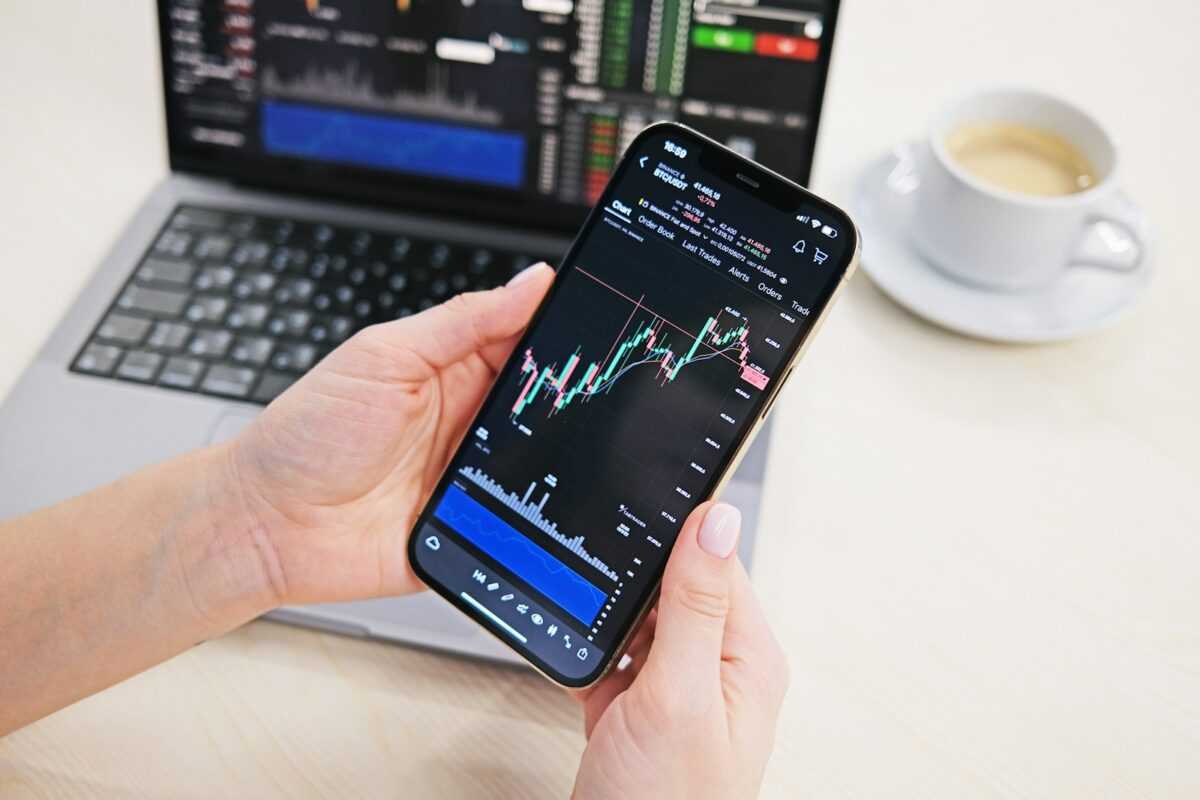
Margin trading in cryptocurrency offers traders the ability to amplify their exposure by using leverage, boosting potential profitability beyond the limits of their initial collateral. This approach can maximize gains in markets characterized by high volatility, such as popular digital assets like Bitcoin and Ethereum. However, increased leverage intensifies risk, including the possibility of a margin call which forces liquidation of positions when losses exceed available collateral.
The pros of margin trading include enhanced liquidity and the chance to capitalize on short-term price movements by borrowing funds against held crypto. Strategic use of margin allows traders to access larger positions, facilitating more sophisticated arbitrage and hedging tactics. Yet, the pitfalls remain significant: sudden swings can trigger forced sell-offs that amplify losses and expose vulnerabilities in account management.
Effective strategies demand comprehensive understanding of risk exposure and continuous monitoring to prevent liquidation. Detailed case studies from recent arbitrage opportunities highlight how margin can be deployed profitably, but also showcase the dangers of neglecting stop-loss protocols or misjudging market trends. Industry shifts toward improved margin frameworks and security measures aim to mitigate these cons, enhancing safety without sacrificing the benefits.
Incorporating margin trading into a standalone crypto portfolio requires balancing potential rewards against inherent risks by using strict risk controls and adaptive tactics. Knowledge of liquidity depth, market sentiment, and execution timing forms the backbone of successful leveraged trading. Mastery in this domain unlocks greater sophistication in navigating digital asset markets while minimizing exposure to the most common and costly pitfalls.
Managing Risks in Crypto Margin
Effective risk management in crypto margin trading hinges on rigorous exposure control and strict collateral maintenance. Traders must set clear leverage limits tailored to their risk appetite and the inherent volatility of the chosen cryptocurrency assets. Excessive leverage amplifies potential profitability but equally escalates the danger of a margin call, especially during high liquidity crunches or rapid market swings.
Utilising stop-loss orders and automated liquidation thresholds reduces unexpected drawdowns. Given crypto’s notorious volatility, a sudden price drop can wipe out collateral within minutes, creating cascading margin calls across portfolios. Thus, active monitoring of open positions and recalibrating leverage in response to liquidity conditions ensures exposure remains within manageable bounds.
Risk Mitigation Strategies and Collateral Management
Collateral diversification mitigates the pitfalls of single-asset dependency. Holding multiple cryptocurrencies as collateral provides resilience against the sharp downturn of any one asset, safeguarding collateral sufficiency. Additionally, staying updated with regulatory changes prevents non-compliance risks, as jurisdictions increasingly enforce stricter margin trading caps to protect retail investors.
Leveraged trading benefits are clear, but cons stem from potential liquidation fees and the psychological impact of rapid equity erosion. Hence, implementing tiered collateral requirements aligned with position size and volatility helps balance risk and reward. Experienced traders often allocate only a fraction of their portfolio to margin trades, maintaining liquidity reserves to capitalize on arbitrage or mining opportunities without compromising overall financial health.
Case Study: Volatility’s Impact on Margin Calls
During the May 2021 crypto crash, many traders with 10x leverage on ETH or BTC faced immediate margin calls. Sudden 30% drops in price wiped out collateral rapidly, leading exchanges to liquidate positions aggressively. Those who had set tighter stop-losses at 5-6x leverage managed to preserve capital and re-enter markets at lower entry points, illustrating how disciplined leverage control aligns with risk mitigation.
| High Volatility | Use lower leverage (2x–5x) | Reduced margin calls and liquidation risk |
| Liquidity Drops | Monitor order book depth closely | Ensures smoother position exits |
| Unbalanced Collateral | Diversify assets backing margin positions | Limits sudden collateral devaluation |
| Regulatory Changes | Stay informed about jurisdiction-specific rules | Avoids forced position closure or penalties |
Maximizing Returns with Margin
Utilize prudent leverage ratios to balance exposure and liquidity when engaging in crypto margin trading. Excessive leverage inflates risk and susceptibility to margin calls, while moderate leverage optimizes profitability by amplifying gains without disproportionately increasing volatility. For instance, leveraging 3x–5x on high-liquidity assets such as BTC or ETH often delivers more sustainable returns than extreme levels in smaller altcoins.
Smart Collateral Selection and Asset Allocation
Selecting collateral with reliable liquidity and minimal downside risk reduces pitfalls inherent in leveraged positions. Stablecoins or top-tier digital assets serve efficiently as collateral, mitigating the cons linked to sudden price swings and forced liquidations. Diversifying collateral across multiple assets can further cushion against regulation-induced shocks and systemic market downturns.
Leveraged Trading: Strategic Approaches to Enhance Profitability
Employ risk-adjusted exit strategies to capitalize on price momentum while maintaining a buffer against the dangers of margin calls. Utilize limit orders to lock in profits at predefined targets, and apply stop-loss mechanisms tied to volatility metrics for automatic de-risking. Tactical use of arbitrage opportunities between spot and futures markets exemplifies practical leverage exploitation without overexposing assets.
Incorporating real-time data analytics and position monitoring tools helps traders continuously assess risk/reward profiles, avoiding emotional decisions that amplify potential losses. Awareness of regulation changes is critical; exchanges with strict compliance protocols generally provide safer environments for leveraged trading, reducing unexpected liquidity constraints. By combining these methods, traders optimize the benefits of margin while maintaining calculated exposure in volatile crypto markets.
Common Mistakes in Margin Trading
Overleveraging remains the primary pitfall among traders seeking to amplify profitability in cryptocurrency markets. Excessive leverage increases exposure disproportionately to collateral, and even minor price fluctuations can trigger a margin call, liquidating positions unexpectedly. Data from recent crypto market downturns highlight that leveraged positions above 10x saw a 75% higher liquidation rate, emphasizing the dangers of ignoring prudent leverage limits.
Neglecting liquidity considerations when selecting assets substantially elevates risk. Trading low-liquidity tokens on margin can result in slippage and delayed order execution, which erodes potential profits and increases the likelihood of forced closures. Experts recommend focusing on highly liquid assets like BTC, ETH, and major altcoins, where order books support leveraged trading without extreme volatility.
Ignoring evolving regulation around margin trading in cryptocurrency also introduces unnecessary hazards. Flaws in compliance can lead to account freezes or restrictions, disrupting trading strategies. Recent regulatory updates in key jurisdictions have imposed stricter rules on collateral requirements and leverage limits, affecting brokers’ offers and trader options. Staying informed on jurisdiction-specific regulation is critical to avoid unexpected trading disruptions.
Mismanaging risk exposure by failing to set realistic stop-losses or properly monitor open positions is a recurrent error. Margin trading amplifies both profits and losses; thus, neglecting active risk management often results in significant drawdowns that exceed initial collateral. Utilizing automated liquidation alerts and maintaining lower buying power can mitigate these pitfalls.
Confusing margin trading benefits with guaranteed gains is a common misconception. The pros of increased capital efficiency come paired with considerable cons, including amplified dangers of liquidation and market volatility impact. Enthusiasts often underestimate the psychological stress from rapid position value swings, which can undermine disciplined execution of strategies.
Finally, insufficient attention to the quality and security of the trading platform can expose traders to operational hazards such as outages or hacking incidents. Cryptocurrency margin trading demands robust security protocols and transparent collateral management to prevent asset loss beyond market risk. Comprehensive research into platform reputation and insurance mechanisms is essential when selecting a service provider.
Leveraged Trading in Cryptocurrency: Pros and Cons
Leveraged trading significantly increases exposure to cryptocurrency assets by allowing traders to control larger positions than their initial collateral. The primary benefit lies in amplifying potential profitability: even a modest price movement in the underlying digital asset can generate outsized gains. For instance, using 5x leverage on a Bitcoin position magnifies returns fivefold, which appeals to experienced traders aiming to maximize efficiency of capital deployment.
However, the dangers accompanying leveraged trading are substantial. High volatility in crypto markets can quickly erode collateral, triggering margin calls or forced liquidations. This intensified risk exposure often catches traders off guard, especially those unfamiliar with rapid market swings or lacking robust risk management strategies. Leverage, therefore, is a double-edged sword–while it boosts profit potential, it equally magnifies losses, sometimes exceeding the initial investment.
Regulation around leveraged crypto trading varies widely across jurisdictions, impacting available leverage limits and compliance requirements. Traders must stay informed about evolving regulatory frameworks to mitigate legal pitfalls and ensure their strategies align with local laws. Additionally, liquidity considerations play a crucial role; highly leveraged positions require sufficient market liquidity to exit trades without significant slippage, which can otherwise erode expected gains or exacerbate losses.
Despite these cons, leveraged trading offers strategic advantages for arbitrage opportunities and short-term speculative plays. When executed with precise timing and adherence to strict collateral management, it enables traders to capitalize on price inefficiencies between exchanges or capitalize on shorting volatile assets. However, neglecting the pitfalls of over-leveraging, such as inadequate collateral buffers or ignoring market volatility, often leads to rapid capital depletion.
Ultimately, leveraging should be integrated with comprehensive risk controls and an understanding of the intrinsic dangers tied to margin and crypto market fluctuations. Experienced traders often prefer moderate leverage levels and daily position reviews to adapt to changing liquidity and volatility conditions. Leveraged trading remains a powerful tool within the cryptocurrency domain, but its pros must be balanced against inherent cons through disciplined execution and ongoing education.
Calculating Leverage Impact
Leverage directly multiplies your exposure to cryptocurrency assets: by borrowing funds against your collateral, you amplify both potential profitability and risks. Accurate calculation of leverage impact requires assessing the ratio of borrowed capital to your initial margin, alongside market volatility and liquidity conditions. For example, a 5x leverage means a $1,000 collateral position controls $5,000 in crypto assets:, intensifying gains or losses by the same factor.
To quantify leverage impact, consider these variables:
- Initial Margin: the collateral deposited to open a leveraged position.
- Leverage Ratio: the multiple of your margin used to trade larger volumes.
- Price Volatility: digital currency markets often show 5-10% daily swings, rapidly affecting leveraged exposure.
- Liquidity: deeper liquidity reduces slippage during order execution, preserving expected profitability.
- Margin Call Threshold: the price level where your collateral no longer covers borrowed funds, prompting liquidation.
Calculating potential profit or loss involves the formula:
Profit / Loss = (Price Change %) × Leverage × Initial Investment
For instance, a 3% drop in Bitcoin’s price with 10x leverage on a $2,000 margin can generate a $600 loss, triggering a margin call if your liquidation threshold is breached. This illustrates leverage magnifying both benefits and dangers, demanding precise position sizing and stop-loss settings.
Impact of Regulation and Market Dynamics
Regulatory measures increasingly influence leverage limits in crypto margin trading. Exchanges in regulated jurisdictions often cap leverage to reduce systemic risks, affecting maximum exposure and margin requirements. Traders must integrate these limits into calculations to avoid forced liquidations triggered by sudden regulatory shifts.
Market dynamics such as flash crashes or sudden liquidity drains exacerbate pitfalls of high leverage: sharp volatility spikes can rapidly deplete collateral, leading to disproportionate losses. Utilizing tools like partial closes or adjustable leverage settings helps mitigate these dangers without sacrificing potential benefits.
Practical Guidelines for Calculating and Managing Leverage
- Determine maximum acceptable loss based on your risk tolerance before entering a leveraged trade.
- Use volatility estimates (e.g., ATR or standard deviation) to set realistic stop-loss levels and margin call buffers.
- Calculate exposure by multiplying collateral by chosen leverage, ensuring it does not exceed your risk capacity.
- Factor in liquidity depth when selecting assets: low liquidity increases slippage and adverse price movement.
- Regularly monitor margin health, adapting leverage dynamically as market conditions and regulation evolve.
Effective leverage calculation embeds risk management within trading strategy, preserving assets: while unlocking crypto’s potential for amplified returns. Avoiding the cons of over-leveraging safeguards capital, whereas informed adjustments to leverage can harness the pros of margin trading in volatile digital markets.