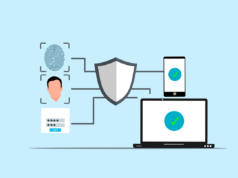

Implement multi-layered authentication to protect cryptocurrency assets effectively. Combining two-factor authentication with advanced identity verification methods strengthens the digital perimeter against unauthorized access. For custodians managing high-value crypto portfolios, relying on single-factor authentication exposes critical vulnerabilities that threat actors exploit through phishing, keylogging, and credential stuffing attacks.
Role-based access controls (RBAC) enhance security by assigning role-specific permissions tailored to an individual’s responsibilities within the crypto ecosystem. This approach ensures that users only gain authorization aligned with their operational needs, limiting exposure of sensitive keys or transaction capabilities. For example, a trader’s access should be distinct from compliance officers or IT administrators, reducing risks from insider threats or accidental asset exposure.
Effective crypto asset management depends on integrating multi-layered security models that leverage both authentication and role-based authorization. In practice, exchanges employing combined mechanisms report significant decreases in unauthorized withdrawals and account breaches. Case studies from leading platforms emphasize that continuous verification of user identity at different stages of access mitigates risks related to credential compromise and social engineering.
With rapid innovation in cryptocurrencies, evolving security frameworks must anticipate future attack vectors while maintaining usability. Incorporating contextual factors into role-based access systems, such as device recognition and behavioural analytics, further tightens controls over who can transact or modify sensitive settings. Industry trends suggest this integrated model offers superior protection for digital assets, ensuring resilient, scalable defenses that adapt alongside the crypto market’s growth.
Implementing Two-Factor Authentication
Integrate two-factor authentication (2FA) with role-based access control to enhance security for cryptocurrency asset management. Begin by enforcing a secondary verification step that complements the primary identity authentication process. Typical methods include time-based one-time passwords (TOTP), hardware tokens, or biometric verification, each providing a distinct layer of protection beyond static credentials.
Incorporate role-specific permissions to restrict access within your crypto environment, ensuring that authorization aligns precisely with user responsibilities. For example, miners require different access rights than arbitrage traders or wallet managers. Two-factor verification ensures that even with compromised credentials, unauthorized access remains improbable due to the additional hardware or biometric check required.
Multi-Layered Verification in Crypto Security
Pairing 2FA with multi-layered authentication methods reduces attack vectors targeting digital assets. Combining identity confirmation with enhanced access management protocols enforces strict checkpoints before granting critical crypto operations such as fund transfers or smart contract execution. Technologies like Universal 2nd Factor (U2F) tokens integrate seamlessly with role-based systems, further tightening authorization boundaries tailored to complex organizational roles.
Case Study: Two-Factor Authentication in Crypto Asset Management
Leading exchanges applying two-factor authentication alongside role-based access controls report significant reductions in unauthorized transactions and phishing attacks. By segmenting access through roles and requiring dynamic verification during sensitive operations, operational security has strengthened without impeding workflow efficiency. This dual approach proves especially effective for institutions handling high-value crypto assets, where enhanced 2FA mechanisms safeguard both identity and transactional integrity simultaneously.
Configuring Role-Specific Permissions
Assign permissions strictly according to the principle of least privilege for each role in your crypto security framework. Define role-specific access controls by categorizing users based on operational responsibilities, such as asset management, transaction approval, or system auditing. This segmentation ensures that only authorized individuals receive permissions necessary for their assigned roles, significantly reducing the attack surface in digital asset environments.
Incorporate multi-layered verification processes for authorization to enhance protection. For example, a trading role may require two-factor verification alongside role-based permissions, while compliance officers might have read-only access with monitored activity logs. This bifurcation enforces stricter control over critical operations involving cryptocurrency transactions and asset manipulation.
Use dynamic permission management platforms capable of integrating real-time identity verification aligned with role-specific criteria. Such systems allow flexible adjustments as roles evolve, supporting continuous security in volatile crypto markets. In mining operations, for instance, administrators should retain asset allocation permissions, whereas technical staff receive access limited to system maintenance, both secured through enhanced crypto identity protocols.
Regularly audit and update role-based permissions against access patterns and emerging threats to maintain integrity in access management. Employ automated alerts for anomalies in permission usage, triggering immediate two-factor re-verification and possible temporary revocation of authorizations. This vigilant approach protects digital assets from unauthorized breaches and insider threats alike.
Integrating MFA with RBAC Systems
Combine multi-factor authentication with role-based access controls to establish a multi-layered security framework that significantly strengthens cryptocurrency asset protection. Enforce two-factor verification precisely at entry points aligned with role-specific permissions, ensuring identity confirmation for each access attempt. This approach restricts account usage to authenticated individuals holding predefined roles, reducing the risk of unauthorized asset management or fraudulent transactions.
Implementing MFA within RBAC systems requires syncing authentication protocols with role hierarchies. For example, in crypto exchanges handling arbitrage operations, traders with elevated permissions must undergo an additional authentication step beyond password entry–typically a time-based one-time password (TOTP) or hardware token verification–before gaining role-based access to sensitive digital assets or transaction approvals. This prevents credential compromise from escalating into critical breaches.
Use dynamic authorization policies that activate enhanced multi-factor requirements when users attempt to access high-risk functions or sensitive crypto asset categories. By integrating real-time risk assessment with role-specific permissions, the system adapts verification strength depending on the access context, offering tailored protection aligned to identity and role. This method strengthens internal controls while optimizing user experience by avoiding unnecessary authentication hurdles for low-risk activities.
Enterprises managing extensive crypto portfolios benefit from combining MFA and RBAC to segment asset access finely. For instance, wallet administrators receive different authentication protocols than auditors or miners, each matched to their role-based responsibilities. Implement audit trails linking authentication events with role assignments to provide forensic clarity and compliance oversight. This transparent mapping is crucial in environments requiring stringent regulatory adherence and protection against insider threats.
Incorporating federated identity management can further enhance this integration by enabling consistent MFA enforcement across multiple platforms involved in crypto operations. This facilitates seamless yet secure access for users operating within diversified role-based ecosystems. As market demands evolve, embedding adaptive, multi-factor authentication tightly with role-based access controls ensures that identity verification remains robust, responsive, and aligned with the shifting security requirements of crypto asset management.