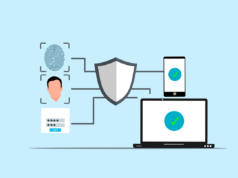

Implementing network segmentation is critical for securing cryptocurrency platforms, ensuring that each segment of the infrastructure remains isolated and protected against unauthorized access. Segmented networks limit the attack surface by partitioning systems according to their function, from asset storage to transaction processing. This approach complements firewalls and VPN gateways by creating multiple internal perimeters, allowing granular control over authentication, monitoring, and access management.
A robust firewall configuration combined with hardware-based encryption strengthens resilience against intrusion attempts targeting blockchain nodes or wallet services. Effective partitioning mitigates lateral movement of threats within the infrastructure and enforces strict compliance requirements by isolating sensitive services and digital asset storage. For example, separating mining operations from arbitrage platforms reduces exposure to potential network threats, while continuous monitoring enhances early detection of suspicious activities.
Security teams must prioritize integration of perimeter control mechanisms with authentication protocols, VPN tunnels, and real-time threat monitoring to maintain integrity of the crypto ecosystem. Leveraging specialized hardware firewalls ensures minimal latency impact on transaction throughput while sustaining high levels of protection. Successful case studies from leading cryptocurrency exchanges highlight that consistent application of network segmentation paired with firewalls leads to measurable improvements in infrastructure security and operational continuity against evolving cyber threats.
Network Security for Crypto Infrastructure
Implementing robust network security is fundamental to safeguarding cryptocurrency assets across distributed platforms. Start by ensuring all critical infrastructure components–such as mining rigs, exchange gateways, and blockchain nodes–are housed within hardened hardware environments that enforce strict isolation from less secure systems. This physical and logical separation reduces the attack surface and enhances overall resilience against threat actors targeting sensitive digital assets.
Encryption protocols must protect data both at rest and in transit. Use mutually authenticated VPN tunnels for secure remote access to network perimeter devices, ensuring that all administrative sessions pass through controlled gateways. Authentication systems should integrate multi-factor methods combined with role-based access controls to prevent unauthorized entry and minimize insider risk. Continuous monitoring of network traffic, utilizing intrusion detection systems tuned for crypto-specific threat signatures, enables rapid identification of anomalous behaviour before it can escalate into compromise.
Partitioning and Isolation Techniques
Segmented networks promote superior security posture by partitioning blockchain validator nodes, wallets, and trading systems into distinct zones. This approach confines potential intrusions within narrow boundaries, preventing lateral movement across critical services. Each partitioned segment should be governed by dedicated firewalls configured with least-privilege rulesets, allowing only essential communication paths. Deploying hardened gateways equipped with deep packet inspection and protocol whitelisting further blocks unauthorized network flows, effectively shielding sensitive cryptocurrency platforms from novel exploits or zero-day threats.
Compliance and Ongoing Protection
Adhering to compliance requirements–such as GDPR for data privacy or industry-specific standards–demands rigorous network security audits and penetration testing focused on cryptocurrency infrastructure. Automated patch management for operating systems and security appliances closes vulnerabilities promptly. Furthermore, integrating threat intelligence feeds tailored for blockchain and crypto ecosystems informs preemptive defence strategies. Maintaining security resilience requires a synergy between hardware protections, software safeguards, and proactive monitoring services, ensuring the network remains a formidable barrier against evolving attack methodologies targeting digital asset ecosystems.
Implementing Network Segmentation Strategies
Segmented partitioning of a network is fundamental for maintaining a secure infrastructure in cryptocurrency environments. By dividing the overall network into distinct, isolated zones, organisations can enforce strict control over access between hardware components, blockchain nodes, and external platforms. This isolation limits the attack surface, making unauthorized lateral movement by threat actors within the networks significantly more difficult.
Effective segmentation starts with clearly defined perimeter boundaries between critical services such as mining rigs, wallet management systems, and blockchain APIs. Deploying hardened firewalls and gateways at these junctions provides a secure checkpoint that filters traffic based on authentication policies and encryption standards. VPN systems further enforce secure remote access by encapsulating traffic in encrypted tunnels, safeguarding assets from interception or intrusion.
Real-world implementation of segmentation can be observed in arbitrage platforms operating across multiple digital currency exchanges. These platforms use segmented networks to separate trading engines from user interfaces and data analytics services. Continuous monitoring combined with intrusion detection systems ensures early identification of anomalies, preserving operational resilience and adherence to compliance requirements.
Advanced strategies incorporate micro-segmentation within network zones, leveraging software-defined controls that dynamically adjust access based on the asset’s risk profile and current threat level. This multi-layered approach enhances protection for blockchain infrastructure by reducing exposure at the host level and enabling real-time visibility. Integration with hardware security modules (HSMs) further secures cryptographic keys critical for transaction signing and identity authentication.
As cryptocurrency platforms evolve, the emphasis on a robust, secure network segmentation strategy ensures that both hardware and software components operate within a hardened ecosystem. Such architecture mitigates threats not only from external actors but also potential insider risks, ultimately safeguarding the integrity and availability of digital assets and related services.
Access Control Systems Deployment
Deploying robust access control systems within a segmented crypto infrastructure begins with integrating multi-factor authentication and hardware-based identity verification to ensure only authorized entities access critical digital assets. Authentication mechanisms must be tightly coupled with network partitioning to enforce granular control over who and what interacts across segmented networks. This approach significantly reduces the attack surface by limiting access through hardened firewalls and secure gateways.
Implementing strict access policies on VPN endpoints and perimeter devices further enhances protection against intrusion attempts. Access control solutions should leverage hardware encryption modules and incorporate continuous monitoring to detect anomalous behavior in real time, preventing lateral threat movement between isolated segments. Effective systems operate with asset-level visibility, allowing rapid identification of compromised accounts or devices before significant damage occurs.
Integration with Network Security and Compliance Frameworks
Access control must be designed to complement existing firewall configurations and intrusion detection services, providing layered resilience for blockchain platforms and cryptocurrency exchange infrastructure. Role-based access control (RBAC) combined with adaptive authentication mechanisms ensures compliance with evolving security standards and regulations across jurisdictions. For example, mining operations running on distributed networks benefit from strict isolation protocols that also enforce encrypted communication channels within segmented systems.
Continuous security monitoring tools must be integrated to analyze authentication logs and network traffic, creating actionable intelligence on potential threat vectors. Hardened access control hardware placed at strategic gateways reinforces perimeter defense, while encrypted data flows maintain confidentiality across partitioned networks. This multi-faceted approach to access management strengthens overall infrastructure resilience and secures critical crypto services from unauthorized access and insider threats.
Firewall Configuration for Blockchain
Deploy a hardened firewall with granular rule sets tailored specifically for blockchain infrastructure to ensure rigorous perimeter security. Define explicit access controls by whitelisting necessary nodes and blocking all unknown or unauthorized IP addresses. Employ hardware firewalls with integrated VPN gateways to secure communication between segmented network partitions, reducing exposure of critical cryptocurrency platforms to external threats.
Implement multi-layered authentication mechanisms at the firewall level, combining digital certificates with robust encryption protocols such as TLS 1.3. This prevents unauthorized access while maintaining compliance with regulatory requirements. Integrate firewall systems with real-time intrusion detection and monitoring services to detect anomaly patterns that could indicate reconnaissance or exploitation attempts targeting blockchain asset repositories.
Advanced Threat Mitigation and Resilience
Configure firewall policies to enforce stringent traffic inspection rules, including deep packet inspection (DPI), to identify and block attempts at protocol circumvention or unauthorized access to blockchain nodes. Utilize segmented networks to isolate consensus nodes from transaction validation systems, reducing lateral threat movement and enhancing resilience against intrusion. Maintain continuous firmware and software updates for firewall hardware to mitigate zero-day vulnerabilities affecting network security.
- Apply strict egress filtering to restrict outbound connections from blockchain systems except to verified destinations.
- Leverage VPN tunnels with MFA authentication to protect remote access to management consoles overseeing blockchain infrastructure.
- Enforce partitioning of blockchain services onto dedicated network segments to isolate critical assets and minimize attack surface.
Compliance and Security Monitoring
Integrate firewall logs with centralized security information and event management (SIEM) platforms for comprehensive monitoring and audit trails, vital for compliance with cryptocurrency industry standards. Regularly review firewall configurations against evolving regulatory guidelines to ensure ongoing alignment with best practices in secure blockchain deployment. Employ encryption at gateway ingress points to protect data in transit without sacrificing network performance or scalability.
Example: Leading cryptocurrency exchanges have demonstrated that combining segmented network design with hardware-enforced firewall controls reduces successful intrusion attempts by up to 60%, significantly safeguarding user assets and internal blockchains from sophisticated cyberattacks targeting transaction processing and wallet services.