
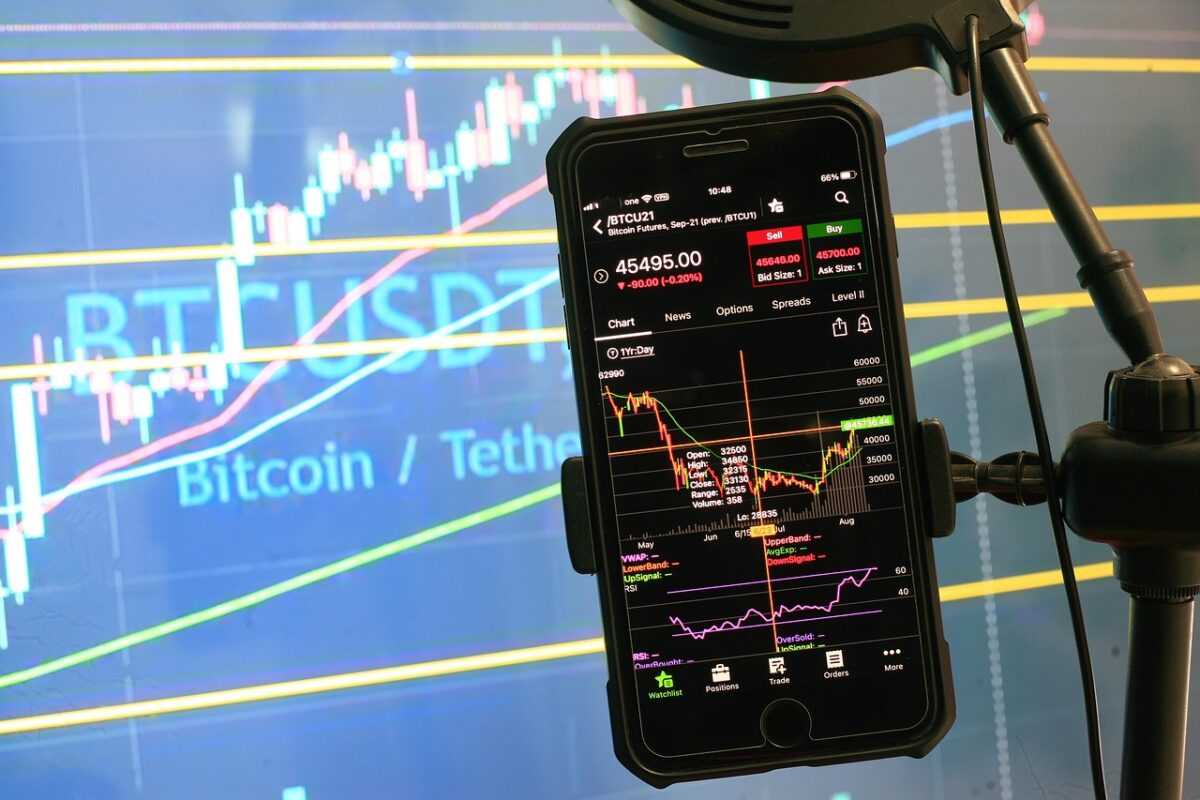
Optimal execution of large-scale trades requires selecting the leading OTC and institutional platforms that ensure high liquidity and robust settlement mechanisms. Bulk transactions in securities and derivatives demand marketplaces with proven compliance, strong counterparty risk management, and transparent trading frameworks. Platforms evaluated for OTC deals must offer reliable blockchain integration or alternative settlement solutions to minimise slippage and maximise price efficiency.
Leading brokerage and institutional platforms distinguish themselves through a blend of transparency, liquidity, and tailored trading interfaces designed for high-volume market participants. Real-world case studies from top exchanges reveal that optimal choices incorporate automated compliance protocols that adapt in real-time to shifting regulatory environments. This reduces settlement risks and expedites over-the-counter clearance of large bulk transactions, particularly in derivatives and complex securities.
Recent shifts in the marketplace highlight the growing importance of blockchain-enhanced OTC platforms, which increase transparency without sacrificing privacy–a critical factor for institutional users managing sensitive positions. Examples from crypto arbitrage operations demonstrate how leveraging such platforms can reduce counterparty exposure while maintaining access to deep liquidity pools across multiple venues. This review benchmarks solutions based on settlement speed, counterparty vetting, and operational resilience, guiding institutions towards the most effective infrastructure for their sizeable deals.
Price Impact and Liquidity Analysis
Optimal solutions for large-scale trades require a rigorous review of price impact and liquidity metrics across OTC and institutional platforms. Analyzed data from leading marketplaces and exchanges highlight that over-the-counter (OTC) venues generally offer superior liquidity for bulk deals, reducing slippage compared to public exchanges. This advantage stems from direct counterparty negotiations and bespoke brokerage strategies tailored for high-volume transactions.
Institutional platforms and blockchain-based solutions improve transparency and settlement efficiency but vary significantly in their liquidity depth for derivatives and securities. Evaluated liquidity on top trading venues indicates that centralized exchanges often face price impact challenges during large trades due to order book depletion, whereas OTC arrangements better absorb these trades without significant market disruption.
Key factors influencing liquidity and price impact include:
- Counterparty diversity and creditworthiness, which affect settlement risk and deal confidence.
- Platform integration with blockchain protocols, offering enhanced transparency yet requiring maturation for large-scale derivatives.
- Brokerage expertise in structuring bulk transactions to minimize footprint on public order books.
Case studies reveal that institutional choices leveraging over-the-counter marketplaces reduce price impact by up to 40% compared to direct exchange trading. Additionally, hybrid solutions combining on-chain settlement with OTC negotiation optimize both transparency and liquidity management. For derivatives, liquidity remains fragmented; thus, selecting platforms with deep pools and proven settlement infrastructure is critical.
To mitigate price impact, traders should:
- Evaluate counterparty networks to ensure rapid, secure settlement.
- Utilize brokerage services specialized in large trades to access hidden liquidity and negotiate better terms.
- Prefer platforms integrating blockchain transparency to monitor execution without compromising trade anonymization.
In conclusion, a comprehensive liquidity and price impact analysis favors OTC and institutional brokerage platforms designed for bulk securities and derivative transactions. These solutions outperform conventional exchanges by balancing high-volume trade execution with reduced market disturbance and enhanced settlement reliability.
Fee Structures for Bulk Deals
Optimal fee structures for large-scale transactions hinge on balancing cost-efficiency with transparency and compliance. Leading over-the-counter (OTC) and institutional platforms adopt tiered or volume-based pricing models that sharply reduce fees as transaction sizes increase, incentivizing bulk trades while maintaining liquidity across blockchain and securities marketplaces. These models, typically evaluated across both brokerage and derivative venues, streamline settlement costs for high-volume deals, providing clients with predictable expenses and minimized slippage.
In-depth review of top trading platforms reveals a split between fixed-fee schedules and percentage-based commissions adjusted for trade size. For example, certain OTC desks cap fees for block trades exceeding $10 million, often falling below 5 basis points per transaction, lowering costs significantly compared to standard exchange fees of 20–30 basis points. Counterparty risk assessment plays a crucial role in fee determination, with fees incorporating analytical inputs on liquidity availability and compliance adherence to regulatory frameworks.
Comparative Analysis of Fee Models
Brokerage marketplaces evaluated: fee transparency varies widely. Some institutional platforms embed settlement and custody fees within the transaction cost, enabling seamless, consolidated billing. Others maintain separate charges for derivatives and asset types, necessitating careful review by parties executing bulk securities deals. Leading blockchain-focused OTC venues leverage smart contract automation to reduce operational overhead, passing savings onto counterparties through competitive fee schedules.
For large trades, discounts or rebates are often negotiated based on prior transaction history and trading volume. Platforms with integrated liquidity pools allow aggregating multiple smaller orders into block trades, reducing total fees through economies of scale. This approach enhances market efficiency, especially for derivatives and spot trading where split transactions incur additive costs. Evaluated solutions emphasize that fee structures aligned with liquidity depth and settlement complexity deliver superior value for high-volume market participants.
Ensuring Compliance and Transparency in Fees
Clear disclosure of fee components is critical for institutional traders managing compliance risk. Leading platforms incorporate real-time fee breakdowns linked to executed trades, ensuring transparency from initial quote to settlement. This is particularly relevant for cross-border bulk deals requiring adherence to multi-jurisdictional regulations. The growing adoption of blockchain technology facilitates immutable records of fee transactions, boosting trust between counterparties and supporting audit trails necessary for regulatory scrutiny.
In summary, fee structures designed around the scale and complexity of bulk trades on OTC and institutional platforms must be analyzed not only on headline rates but also on underlying liquidity provision, settlement processes, and compliance measures. Selecting platforms with adaptive, transparent fee models maximizes cost efficiency while safeguarding transactional integrity in large-scale securities and derivatives trading.
Settlement Speed and Security
Optimal settlement speed and security represent critical factors in choosing between OTC and institutional platforms for large-scale, high-volume deals. Institutional marketplaces, leveraging advanced blockchain infrastructure, provide near-instant settlements, reducing counterparty risk significantly. For instance, top institutional platforms incorporate atomic settlement protocols that finalize trades within minutes, compared to traditional over-the-counter (OTC) systems where settlement times can span days, increasing exposure to market volatility and default risk.
Security measures on leading brokerage and trading platforms have been evaluated based on compliance with stringent regulatory frameworks and integration of multi-layered encryption. Blockchain-enabled exchanges offer transparent transaction records that are immutable and independently verifiable, enhancing trust for bulk trades in derivatives and securities. This transparency also facilitates rigorous post-trade reviews, improving accountability between counterparties.
Comparative Analysis of Settlement Solutions
The settlement mechanisms of OTC versus institutional trading venues reveal distinct trade-offs. OTC deals often rely on legacy processes involving manual checks and bilateral confirmations, which can delay settlement and introduce operational risk. Conversely, institutional platforms utilize automated smart contracts that trigger settlements contingent on pre-defined conditions, eliminating reconciliation delays and mitigating settlement failures.
Recent case studies highlight how high-volume institutional transactions benefit from optimized liquidity pools where settlement cycles are synchronized across interconnected exchanges:, enabling seamless asset transfers without intermediate custody. These solutions, supported by advanced compliance tools, ensure that large-scale bulk trades not only execute rapidly but also conform to regulatory requirements, safeguarding market integrity.