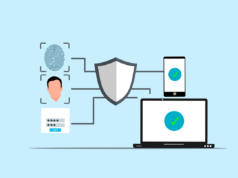

Implement multi-factor authentication (MFA) across all critical accounts to mitigate impersonation risks inherent in phishing and social engineering attacks. Combining MFA with rigorous verification procedures limits unauthorized access attempts, even if credentials are compromised through deceptive techniques.
Effective detection relies on maintaining heightened awareness of evolving threats targeting both individuals and organisations. Regular training on recognising manipulated requests – whether via email, phone, or messaging platforms – sharpens the ability to identify social engineering tactics designed to bypass technical safeguards such as firewalls and encryption.
Phishing campaigns frequently deliver malware payloads aimed at penetrating corporate networks. Prevention requires integrating advanced detection tools with strict authentication policies and continuous protecting mechanisms against data exfiltration. Case studies from crypto exchanges reveal that early recognition of anomalous access patterns reduced security breaches by up to 40%.
Upgrading security protocols involves layered defence strategies combining technical controls and human vigilance. Incorporating email filtering systems with AI-driven detection accelerates identification of suspicious links and attachments. Simultaneously, promoting security awareness throughout an organisation reduces vulnerabilities exploited through social manipulation, reinforcing overall prevention against attack.
Identifying Phishing Email Signs
Always scrutinize the sender’s email address; phishing attacks often use subtle impersonation techniques, such as domain spoofing or minor misspellings that bypass basic verification processes. Enhance threat detection by cross-checking links within emails–hover without clicking to reveal destination URLs, which frequently differ from legitimate sites when an attack is underway. Deploying email authentication protocols like SPF, DKIM, and DMARC helps validate sender legitimacy, mitigating risks posed by impersonation.
Watch for urgent language urging immediate action, a common social engineering tactic aiming to bypass rational judgement. Emails requesting sensitive information or credentials without encryption raise red flags. Integrate robust firewall rules and content filters to block messages exhibiting characteristics tied to known phishing vectors.
Technical Indicators and Verification Practices
Phishing messages often contain inconsistent branding or poor grammar, signs of low-effort deception trying to exploit human vulnerability. Verification of email headers can reveal anomalies in routing paths, offering insight into the true origin of suspects. Employ multi-factor authentication (MFA) across accounts to add layers of protection, minimizing the impact if credentials are compromised due to sophisticated social engineering.
Training employees in awareness and detection techniques significantly reduces the probability of successful attacks. Case studies from the cryptocurrency mining sector highlight how attackers exploit lack of knowledge surrounding encryption and authentication, leading to substantial financial losses. Continuous education about emerging phishing trends remains a primary line of defense alongside technical prevention measures.
Verifying Unknown Communication Sources
Implementing rigorous verification protocols is fundamental against social engineering and phishing attacks. Always cross-check the sender’s identity through independent channels before responding to unexpected requests. For example, if an email appears to come from a financial institution, contact the institution directly via their official phone number or website rather than using any links or contact details provided in the message. This direct verification reduces risks linked to impersonation and malware delivery.
Deploy multi-factor authentication (MFA) on communication platforms where possible. By combining encryption and authentication methods, MFA creates multiple verification layers, enhancing detection and prevention of fraudulent access. This approach complements firewall protections and intrusion detection systems, creating a robust perimeter against phishing and social engineering threats.
Training and Awareness for Mitigating Impersonation Risks
Regular employee training focused on recognizing signs of impersonation and suspicious requests sharpens awareness and reduces susceptibility to attacks. Simulation exercises that mimic real-world threats improve detection skills and reinforce best practices for verification. Integrating training with security policies ensures that verification is not bypassed due to urgency or workload.
Technical Measures Enhancing Verification and Protection
Use email authentication standards such as SPF, DKIM, and DMARC to verify that messages originate from legitimate sources. These protocols leverage encryption and verification to prevent domain spoofing, a common social engineering tactic. Network firewalls combined with behavioral analytics can detect anomalies in communication patterns indicative of malware or impersonation attempts.
For high-risk interactions, such as cryptocurrency transactions or account changes, implement out-of-band verification methods. Contacting the parties through alternate means mitigates risks of fraudulent instruction acceptance. Such layers of verification and encryption form a critical defence against social engineering attacks targeting financial assets.
Securing Personal and Work Data
Implement multi-factor authentication (MFA) across all accounts to add critical layers of verification against impersonation and social engineering attacks. MFA significantly reduces risks by requiring additional credentials beyond passwords, limiting unauthorized access even if login data is compromised through phishing or malware.
Apply robust encryption protocols for sensitive data both at rest and in transit. Encryption ensures intercepted information remains unintelligible to attackers, mitigating threats from data breaches often initiated by social engineering or phishing campaigns exploiting user trust.
Network Protections and Monitoring
Deploy and regularly update firewalls combined with advanced intrusion detection systems to identify and block suspicious activities early. Network-level protections serve as a frontline defense, isolating suspicious traffic patterns indicative of phishing or malware attacks, and providing real-time alerts for mitigation.
Regularly conduct phishing awareness training tailored to your organisation’s specific environment. Education focused on recognizing subtle signs of impersonation and social attacks empowers employees to act as an active detection layer, reducing risks linked to human error which remains a primary attack vector.
Data Governance and Access Control
Implement strict access control policies following a least privilege model to reduce the attack surface. Limiting data accessibility curbs opportunities for internal and external attackers leveraging social engineering to escalate privileges or access confidential information.
Integrate continuous verification mechanisms that monitor and log access attempts to sensitive information. These systems enhance prevention by detecting anomalous behaviours indicative of phishing or impersonation attacks, enabling swift incident response and protection against potential data compromise.