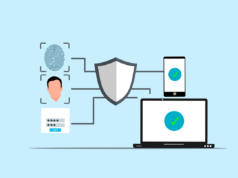

Implementing rigorous validation and sanitization techniques is the cornerstone for developing robust wallets and dapps. Many vulnerabilities arise from unchecked input, making it imperative that every input field, API call, and data transaction undergo strict scrutiny. Enforcement of strong authorization protocols combined with multi-layered encryption safeguards credential data and transaction details against interception or tampering in cryptocurrency environments.
Secure development of dapps demands adherence to established coding standards and integration of firewalls tailored specifically for decentralized architectures. Security flaws in smart contracts or wallet implementations can lead to drastic financial losses, especially during high-frequency arbitrage or mining reward distributions. Leveraging tested security protocols helps minimize attack surfaces and prevents common exploits like re-entrancy or buffer overflow attacks.
Industry-leading practices emphasize constant monitoring for newly discovered vulnerabilities within dapps and wallets, ensuring that updates maintain compliance with evolving security frameworks. Combining static and dynamic code analysis during programming phases enhances threat detection before deployment. Real-world case studies reveal that wallets employing layered encryption alongside robust access authorization consistently outperform in resisting phishing, MITM, and unauthorized transaction risks.
To build safe and resilient decentralized apps, developers must integrate comprehensive security measures from design to deployment. This includes implementing strong cryptographic standards, enforcing data integrity checks, and maintaining vigilant lifecycle management of keys and credentials. Following these methodologies establishes a foundation for durable wallets capable of withstanding the increasingly sophisticated exploits prevalent in today’s crypto markets.
Preventing Private Key Leaks
Implement strict encryption standards for private key storage within wallets and decentralized apps (dapps). Use hardware security modules (HSMs) or secure enclaves during development to isolate keys from the primary application environment, significantly reducing vulnerabilities related to memory leaks or unauthorized access. Employ well-vetted cryptographic libraries rather than custom implementations, ensuring compliance with established security protocols.
In programming wallets and dapps, integrate multi-layered authentication and authorization frameworks to restrict access to private keys. Techniques such as multi-factor authentication (MFA) combined with role-based access control (RBAC) help prevent unauthorized key usage. Validate and sanitize all input fields rigorously, as injection attacks remain a common vector for compromising private keys stored in apps and backend services.
Apply robust firewall configurations that limit inbound and outbound traffic exclusively to trusted sources during authorization phases. Network segmentation helps isolate wallet backend systems from external threats. Regular security audits and penetration testing focused on potential key leakage points, including memory dumps, logs, and local storage, are vital for uncovering hidden vulnerabilities before exploitation.
For dapps, avoid exposing private keys directly to the client side. Instead, implement secure protocols that abstract key operations to server-side or hardware components. Adopt best coding practices such as zero-trust principles and least privilege access to minimize exposure. Continuous monitoring and anomaly detection systems must be in place to flag suspicious authorization attempts or unusual transaction patterns involving private keys.
Address compliance by adhering to industry standards like ISO/IEC 27001 for information security management and FIPS 140-3 for cryptographic modules. Leveraging safe development lifecycle models ensures that key security is embedded at every stage of app lifecycle–from development through deployment and updates. As cryptocurrency markets grow and arbitrage opportunities increase, the incentive for attackers to exploit key leaks rises, demanding proactive and systematic security management.
Validating User Inputs Safely
Implement strict validation and sanitization techniques at every entry point to mitigate vulnerabilities associated with user inputs in dapp and wallet development. Employ robust whitelisting over blacklisting approaches to ensure only expected formats, characters, and value ranges pass through. This reduces risks such as injection attacks, buffer overflows, and logic bypasses that compromise security protocols essential in cryptocurrency transactions.
Incorporate multi-layered validation mechanisms both client-side and server-side. Client-side validation enhances user experience, but must never replace backend verification. Server-side validation enforces compliance with security standards and serves as a firewall against malicious attempts targeting decentralized apps. Leverage established libraries and frameworks specialized in sanitization to prevent malformed data from reaching critical components like wallet authentication modules or encryption processes.
Techniques for Robust Input Validation in dapps
Utilize schema validation tools where possible to define strict input contracts, enforcing data types, lengths, and patterns. For instance, validating Ethereum addresses in wallet applications should strictly reject any values not conforming to the expected 42-character hexadecimal format with checksum verification. Incorporate safeguards against common pitfalls such as malformed JSON, cross-site scripting (XSS), and SQL injection, particularly in hybrid dapps that interact with backend databases or APIs.
Combine input validation with thorough logging and monitoring to detect abnormal patterns that may indicate attempts to circumvent security measures. This complements encryption and authentication protocols, sustaining a secure environment compliant with both industry best practices and regulatory requirements. Emphasise secure coding standards that integrate validation within the development lifecycle, thereby embedding safety into the dapp’s architecture rather than treating it as a secondary concern.
Error Handling Without Exposure
Implement robust error handling mechanisms that provide minimal information to end-users while preserving detailed logs internally. Avoid returning raw error messages or stack traces from wallets and decentralized applications (dapps), as they can inadvertently reveal vulnerabilities in coding, encryption methods, or authorization protocols. Instead, design error responses that are generic yet informative enough to guide safe user interactions without compromising security.
In programming wallets and dapps, sensitive data such as authentication tokens, encryption keys, or user identifiers must never appear in error messages. A best practice is to separate user-facing messages from system logs using secure logging frameworks compliant with industry standards. These frameworks should incorporate encryption, access control, and sanitization techniques to prevent leaks during debugging or incident response.
Validation and authorization failures require particular attention: respond with consistent error codes and generalized descriptions to prevent attackers from inferring implementation flaws or cryptographic weaknesses. For example, during failed wallet transaction attempts, avoid exposing precise signature mismatches or protocol inconsistencies; instead, return a standard error indicating an unsuccessful operation. This approach mitigates risks associated with information disclosure, which cybercriminals exploit to craft targeted attacks within cryptocurrency ecosystems.
Real-world vulnerabilities often arise from improper handling of exceptions during dapp development, especially when integrating multiple decentralized protocols. Leveraging structured exception handling and enforcing strict input sanitization ensures errors remain contained without cascading into exploitable conditions. Additionally, incorporating automated testing and security validation tools during development catches unintentional error exposures early, supporting compliance with security standards and safeguarding wallet users.
Future trends in secure coding for cryptocurrency apps emphasize not only encryption and authentication but also refined error management as a key defense layer. Developers should adopt adaptive error-handling frameworks that adjust messaging based on user roles and context, strengthening authorization checks without hindering usability. By applying these best practices, wallets and dapps maintain a robust security posture against emerging threats in decentralized finance.