
Ensuring the integrity of token issuance and management demands the application of robust cryptography and encryption techniques within blockchain-based platforms. Reliable tokenization frameworks prioritise safe asset distribution by integrating advanced authentication protocols and immutable ledger systems, which collectively defend against fraud and unauthorised access.
Effective asset issuance relies on frameworks that balance compliance requirements with technical security. Implementations using smart contracts enable automated, conditional transfers while preserving transparency. For example, recent developments in permissioned blockchain networks demonstrate enhanced compliance with regulatory mandates through cryptographic proofs, reducing risk during token lifecycle events such as minting, freezing, or burning.
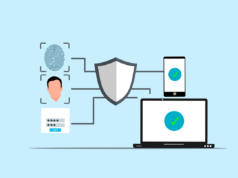
A core security measure is the use of multi-layered encryption standards combined with hardware security modules (HSMs) to protect key material. Platforms offering wallet authentication through both biometric verification and multi-factor authentication exhibit superior defence against compromise. Real-world case studies from major asset-backed token projects highlight that incorporating these secure systems reduces vulnerability to arbitrage exploits and double-spend attempts.
Adopting secure tokenization methods within regulated frameworks also facilitates reliable asset provenance tracking across distributed ledgers. The resulting transparency not only strengthens market trust but also accelerates compliance processes, enabling enterprises to scale token issuance without sacrificing security. As blockchain technology evolves, the convergence of cryptographic innovation and stringent security protocols will define the safest approaches to asset tokenisation and distribution.
Cryptographic Techniques in Tokenization
Implementing strong cryptography is fundamental to maintaining the security and integrity of tokenization platforms. Encryption algorithms such as AES-256 and elliptic curve cryptography (ECC) enable robust protection of asset data and transactional information stored on distributed ledgers. Protecting tokens through asymmetric encryption ensures that only authorized parties can execute issuance and transfer functions, reducing the risk of unauthorized access or tampering.
Authentication mechanisms leveraging cryptographic signatures provide reliable proof of ownership and authorization. Digital signature schemes like ECDSA and EdDSA validate transactions while preventing forgery, supporting compliance requirements and reinforcing system trustworthiness. Secure key management protocols, including hardware security modules (HSMs), safeguard private keys essential for token control and ledger write permissions.
Blockchain-based tokenization benefits significantly from cryptographic hash functions such as SHA-256, which secure ledger immutability by linking blocks through cryptographic fingerprints. This guarantees asset provenance and prevents double-spending or data manipulation by enforcing ledger integrity at every stage of token issuance and distribution. Smart contracts utilize cryptographic logic to automate compliance checks and enforce transparent rules for asset transfer and lifecycle management.
- Use multi-layer encryption to protect both on-chain and off-chain asset records.
- Incorporate zero-knowledge proofs to enhance privacy while maintaining transaction verifiability.
- Deploy threshold cryptography for distributed key control across custodial systems, increasing resilience against single points of failure.
- Ensure cryptographic algorithms and key lengths comply with current industry standards to future-proof tokenization infrastructures.
Case studies of systems employing advanced cryptography demonstrate measurable improvements in security posture and streamlined compliance reporting. For instance, decentralized finance (DeFi) platforms utilize elliptic curve-based authentication combined with encrypted wallets to secure billions in digital assets while enabling transparent token issuance. Enterprise-grade asset tokenization frameworks layer encryption and authentication protocols with permissioned ledgers to protect sensitive financial data and regulatory compliance workflows.
Compliance in Asset Issuance
Ensuring compliance within asset issuance frameworks requires the integration of blockchain-driven authentication and encryption mechanisms that enforce regulatory adherence throughout the token lifecycle. Leveraging permissioned ledgers enables granular control over participant access and transaction validation, which maintains the integrity of digital tokens and their distribution. Platforms must implement stringent identity verification protocols linked to on-chain authentication to align with Know Your Customer (KYC) and Anti-Money Laundering (AML) requirements without compromising system security.
Reliability in compliance is achieved through immutable audit trails recorded on the blockchain, allowing regulators and issuers to verify asset provenance and issuance legitimacy instantly. Cryptography underpins these audit capabilities by securing data at rest and in transit, preventing tampering or unauthorized modifications. One practical example includes token issuance platforms that utilize multi-layered encryption strategies combined with real-time monitoring systems to detect anomalies that may signal compliance violations or security breaches.
Smart contracts embedded within issuance frameworks automate compliance enforcement by encoding jurisdictional regulations, including transfer restrictions and holding periods, directly into the token’s operational logic. This automation not only reduces manual overhead but also minimizes the risk of human error, reinforcing a safe and reliable environment for both issuers and investors. For instance, security tokens issued under regulatory frameworks such as the UK’s Financial Conduct Authority (FCA) guidelines utilize these dynamic compliance rules to control token distribution while ensuring regulatory adherence.
Future advancements anticipate decentralized identity systems integrating seamlessly with issuance platforms, enhancing authentication processes with cryptographic proofs that maintain privacy while satisfying legal standards. Such systems will strengthen compliance by enabling secure, verifiable credentials on a shared ledger without compromising user data. Ensuring that compliance mechanisms evolve alongside market and technological developments is vital for sustaining trust and security in tokenization practices and digital asset issuance globally.
Mitigating Issuance Risks
Implement multi-factor authentication (MFA) across all digital platforms involved in asset issuance to guarantee the identity and authorization of participants. MFA significantly reduces the risk of unauthorized token creation or tampering by requiring multiple layers of verification before access to issuance systems.
Maintain a protected, immutable ledger employing advanced cryptography and encryption methods that ensure the integrity of issued tokens and assets throughout their lifecycle. Distributed ledger technology (DLT) offers a transparent, tamper-resistant record, which is critical for traceability and dispute resolution in token distribution.
Adopt automated monitoring systems within tokenization frameworks to detect anomalous patterns during issuance stages. Real-time alerts about unusual distribution volumes or deviations from compliance rules enable rapid intervention, minimizing exposure to fraud or errors. This must be integrated with compliance modules to align issuance practices with regulatory requirements reliably.
Leverage secure key management solutions to safeguard private keys used in asset creation and transaction signing. Compromise of keys represents a primary threat to the security of token issuance; thus, hardware security modules (HSMs) and threshold cryptography schemes offer robust protection against unauthorized access.
Test issuance platforms rigorously with penetration testing and vulnerability assessments to identify and rectify security weaknesses before deployment. Continuous security updates and patch management ensure that evolving threats are mitigated effectively, preserving a safe environment for token creation and distribution.
Integrate end-to-end encryption protocols to protect communication channels between users, issuance platforms, and ledgers. Securing data in transit reduces intercept risks, while encrypted storage further fortifies asset records against cyberattacks or insider threats.
Case studies from prominent security breaches emphasize that lapses in platform authentication or weak key protection have led to substantial asset losses and reputational damage. Employing comprehensive cryptographic safeguards and a reliable issuance framework transforms these vulnerabilities into hardened defenses, ensuring asset distribution remains secure and compliant with industry standards.