
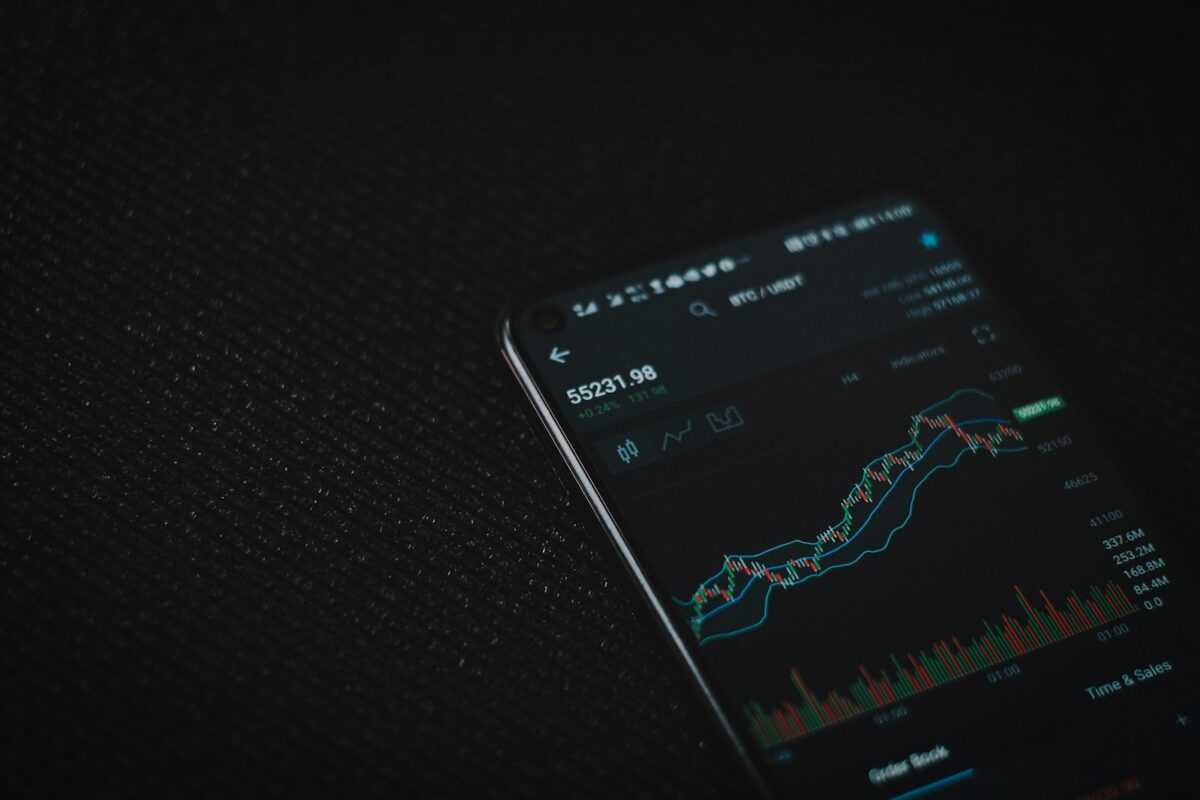
To sell mined cryptocurrency securely, start by choosing a reliable exchange platform with robust verification protocols. Verifying your identity promptly reduces the risk of fraud and ensures compliance with regulations. Use wallets that support multi-factor authentication to securely store your mined currency before initiating any transaction. Understanding the fee structures on different platforms is critical to maximize your net returns.
This tutorial offers detailed instructions on the entire process, from confirming blockchain confirmations to transferring assets to your wallet and finally executing the sale on an exchange. Each step includes specific security measures and recommendations tailored for crypto miners. For example, using hardware wallets minimizes exposure to malware during the selling process, while selecting exchanges with reputation for strong security practices helps prevent unauthorized access.
The crypto market’s volatility means timing impacts value, but following a comprehensive and secure selling process reduces risks related to transaction delays and double-spending attacks. Recent case studies highlight successful strategies where miners combined on-chain verification with off-chain arbitrage techniques to improve profitability. This guide presents an overview of such methods, focusing on practical applications of blockchain technology to ensure your digital currency transfers are both fast and safe.
Selecting Trusted Exchange Platforms
Choose exchange platforms with a rigorous verification process that prioritizes security and user protection. Look for platforms implementing mandatory two-factor authentication (2FA), cold storage for digital assets, and regular security audits to reduce risks linked to hacking or theft. Platforms with transparent fee structures and clear instructions for withdrawals ensure a safer selling experience for your mined cryptocurrency.
Evaluate the platform’s reputation by researching user feedback and case studies on arbitrage opportunities and withdrawal reliability. Established exchanges supporting multiple currencies and providing a detailed tutorial on how to transfer assets securely from your wallet to the exchange help prevent costly mistakes. Confirm that the exchange supports blockchain confirmations appropriate for your mined currency to avoid delays or loss during transfers.
Consider the geographic location and regulatory compliance of the exchange platform since these factors influence the legal safeguards and potential risk exposure. UK-based platforms often adhere to stringent Know Your Customer (KYC) and Anti-Money Laundering (AML) protocols, adding a layer of security for sellers. Assessing fee models–such as taker, maker, and withdrawal fees–allows you to optimize profitability during the selling process.
When selecting a platform, prioritize those offering comprehensive account activity logs and alerts for unusual transaction behavior. Such features enhance your ability to detect unauthorized access early. Keep your wallet interfaces separate from the selling platform where possible and verify each step through the exchange’s documented security protocols. This approach ensures your mined cryptocurrency moves securely through the blockchain and into your chosen currency with minimal risk.
Securing Wallets Before Selling
Ensure your wallet’s private keys are stored offline before initiating any transaction related to selling mined cryptocurrency. Hardware wallets remain the most reliable option to secure assets against malware or phishing attacks during the selling process. Storing keys in cold wallets isolates them from internet exposure, reducing risks associated with digital theft.
Conduct thorough verification of your wallet software. Use wallets with open-source code and active security audits to prevent vulnerabilities that could compromise your mined currency. Keep the wallet application updated with the latest patches to safeguard against exploits identified on the blockchain or in related exchange platforms.
Two-Factor and Multi-Signature Authentication
Activate two-factor authentication (2FA) on your wallet interfaces wherever supported. Combining 2FA with multi-signature (multisig) setups enhances security by requiring multiple approvals for any outgoing transaction. This layered approach prevents unauthorized transfers during critical stages of selling crypto assets, especially on platforms handling high-value mined coins.
Backup and Recovery Instructions
Create encrypted backups of wallet seed phrases or private keys, stored separately from your main operating environment. Follow comprehensive instructions for wallet recovery to avoid access loss during the selling process. Many miners have lost significant cryptocurrency value due to forgotten or compromised recovery data, underscoring the need for a reliable backup strategy.
Before sending any mined currency to exchange platforms, confirm wallet synchronization with the blockchain to ensure accurate balance reflection and transaction fee estimations. Mismatches in wallet states may cause failed transactions or unexpected charges, disrupting your crypto selling routine.
Implementing these security measures on your wallet establishes a strong foundation for a safe, verifiable transaction flow, preventing common pitfalls encountered in the mining-to-selling lifecycle within the cryptocurrency ecosystem.
Confirming Transaction and Withdrawal Safety
Verify every transaction on the blockchain for accuracy before initiating withdrawal from the exchange platform. Use the transaction ID to check confirmation status directly on a reliable blockchain explorer, ensuring the mined cryptocurrency has successfully moved from your wallet to the exchange. Detailed verification reduces risk of errors and potential losses due to network delays or incorrect addresses.
Ensure the exchange platform provides comprehensive instructions and secure two-factor authentication (2FA) as part of its withdrawal process. Platforms with multi-layered security for withdrawal approval minimize risks of unauthorized asset transfers. Follow step-by-step tutorials provided by the platform to confirm identity verification and withdrawal limits are correctly set.
Review fee structures carefully during the selling process; some exchanges apply dynamic transaction fees depending on blockchain congestion. A detailed fees overview helps anticipate costs and avoid unexpected deductions during crypto liquidation. This also includes network fees required to move mined cryptocurrency securely from the platform to your personal wallet or bank account.
Use wallets with enhanced security features such as hardware wallets or multi-signature authorization when receiving withdrawn funds. Keeping withdrawal destinations secure prevents potential breaches after the exchange process. Always cross-reference wallet addresses to avoid sending crypto to incorrect or fraudulent destinations.
Maintain logs of all withdrawal transactions with timestamps, transaction hashes, and amounts. This record-keeping supports dispute resolution and transparency if discrepancies arise. It complements your comprehensive cybersecurity measures tailored for selling mined cryptocurrency safely and managing digital assets effectively in the evolving crypto ecosystem.