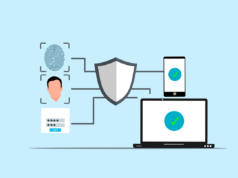

Implement rigorous third-party risk assessments to safeguard custodial services from vulnerabilities introduced by external providers. Every vendor and outsourced service involved in custody operations must undergo continuous monitoring and compliance audits to ensure robust security controls are maintained. Failure to enforce strict oversight and control mechanisms significantly raises operational and reputational risks.
Effective risk mitigation depends on systematic vendor evaluations covering service-level agreements, data protection measures, and operational resilience. For custodial providers, integrating comprehensive audit processes with real-time monitoring tools enables early detection of anomalies or breaches within third-party systems. This approach helps maintain regulatory compliance and strengthens the overall custody risk management framework.
Recent case studies demonstrate that weaknesses in third-party security have led to major custody failures, including unauthorized access and asset misappropriation. Employing an external oversight model with detailed service audits and continuous risk control assessments reduces exposure to such threats. By prioritising transparency and enforcing strict compliance standards, custodial service providers can protect client assets while supporting scalable, secure operations.
Identifying Critical Vendor Risks
A structured risk assessment must prioritise vendors whose services have direct impact on custody operations and client asset security. Begin by categorising external providers based on the criticality of their roles in core service delivery, with heightened scrutiny on those handling sensitive data, transaction processing, or security infrastructure.
Focus on vendors that possess privileged access to custodial systems or client assets, as failures here translate into significant operational and reputational risks. Use quantitative metrics such as the volume of assets under custody managed by the provider and their connectivity within operational workflows to determine risk exposure.
Key Risk Factors to Evaluate
- Service Dependency: Identify vendors essential for transaction settlement or custody reconciliation where disruption could halt operations.
- Compliance Gaps: Assess historical audit reports for prior regulatory non-compliance or control weaknesses that indicate risk of breach.
- Security Posture: Evaluate the third-party’s cybersecurity controls, penetration test results, and incident response capabilities.
- Geographic and Jurisdictional Risks: Consider external providers operating in regions with unstable regulatory environments or geopolitical tension.
- Financial Health: Monitor vendor solvency and operational stability to anticipate service interruptions due to business failure.
Implementing Continuous Oversight
Critical vendor risks require ongoing oversight beyond initial assessments. Integrate real-time control monitoring within the management framework and schedule regular audits focusing on custody-specific functions outsourced to third parties.
Develop tailored mitigation strategies which may include contractual obligations for immediate risk reporting, mandatory compliance certifications, and defined remediation timelines. Leverage automated tools to track vendor performance indicators relevant to custody risk, ensuring early detection of deviations.
Case studies from custodial crypto platforms demonstrate that lapses in vendor security controls can lead to catastrophic asset loss–highlighting the necessity for stringent vendor due diligence and persistent control validation to safeguard client assets and maintain regulatory compliance.
Implementing Risk Control Measures
Leverage continuous external assessment to identify vulnerabilities in third-party custodial services early. Establish a structured vendor oversight framework that integrates regular security and compliance audits to ensure alignment with regulatory requirements and internal policies. Deploy automated monitoring tools that track operational performance and security incidents in real time, enabling rapid response and mitigation across outsourced custody providers.
Embed risk control measures within contractual agreements, specifying key performance indicators (KPIs) and compliance checkpoints for service providers. This enables precise management of operational risk and enforces accountability for data protection, transaction integrity, and incident reporting. Prioritize partnerships with vendors offering transparent audit trails and adherence to industry standards such as SOC 2 and ISO 27001.
Implement layered security protocols combining both physical and cybersecurity controls tailored for custodial operations. This includes encryption methods, multi-factor authentication, and segregation of duties within vendor systems. Effective risk mitigation hinges on continuous collaboration between internal teams and third-party risk managers, ensuring comprehensive oversight across the custody service lifecycle.
Integrate control processes with risk assessment frameworks to align mitigation strategies with evolving threats in crypto asset custody. Utilize risk dashboards aggregating data from various sources–external audits, operational logs, and compliance reviews–to maintain real-time visibility. Swiftly escalate deviations to dedicated risk management units, allowing preemptive action before issues impact service availability or asset security.
Monitoring Compliance and Performance
Establish continuous monitoring frameworks that integrate automated controls and periodic external audits to ensure the outsourced custodial service provider adheres to regulatory and internal compliance requirements. Real-time risk assessment tools should track deviations in security protocols, transaction processing, and data integrity, enabling immediate remediation and risk mitigation.
Implement regular performance reviews based on predefined service-level agreements (SLAs), focusing on vendor responsiveness, operational accuracy, and incident resolution timelines. Incorporate third-party security certifications and compliance reports into the oversight process, validating that custodial partners maintain robust controls aligned with industry standards such as SOC 2 or ISO 27001.
Leverage centralized dashboards to consolidate key risk indicators (KRIs) and compliance metrics, providing transparency across custody operations managed by external vendors. This facilitates early detection of emerging vulnerabilities and supports proactive governance, reducing the likelihood of breaches or service disruptions.
Case studies from the crypto custody sector highlight the necessity of integrating blockchain-specific audit trails with traditional vendor risk management systems. Such integration enhances visibility into transaction provenance and supports comprehensive compliance assessment during external audits.
Periodic vendor risk reassessment must include comprehensive security testing, such as penetration tests and control effectiveness evaluations, to validate ongoing mitigation efforts. This dual approach of automated monitoring combined with manual oversight fortifies custodial service management against evolving operational risks.