
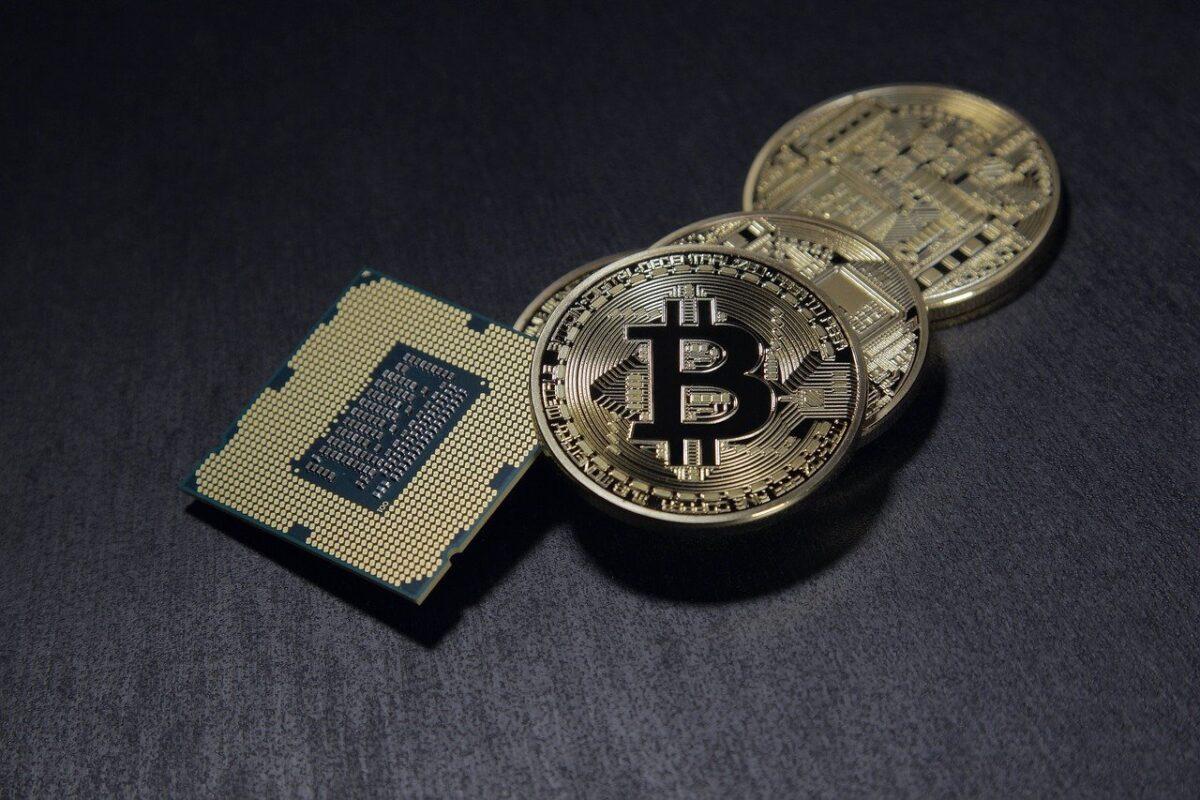
Prioritising token utility over speculative frenzy: Tokens with clear real-world applications offer sustainable value beyond market hype. Analyzing genuine functionality reveals that asset-backed tokens facilitating access to services or platform features outperform purely speculative coins in long-term usage and adoption.
Assessing practical use cases requires dissecting token roles: For example, tokens used in payment systems, governance, or staking provide measurable benefits to holders, contrasting sharply with those driven mainly by trading and investment speculation. Real-world applications such as decentralized finance (DeFi) protocols demonstrate how utility tokens enable arbitrage, liquidity mining, and security enhancements.
Exploring the market reveals a divergence between utility and speculation: While trading volumes can surge due to hype, sustainable tokens exhibit steady growth aligned with their application usage. Evaluating assets through metrics like transaction frequency, staking participation, and service adoption offers a clearer picture than price movements alone.
Token Utility Versus Speculation
Assessing a token’s value requires distinguishing genuine utility from speculative hype. Tokens with practical application demonstrate consistent real-world usage beyond mere market trading. For instance, Ethereum’s ERC-20 tokens facilitate decentralized finance (DeFi) applications, enabling smart contract execution and governance functionality that anchor their utility in tangible asset management and network participation.
In contrast, speculative tokens often experience trading frenzy driven by market sentiment and short-term investment motives rather than sustainable use cases. The recent surge in meme coins highlights how hype can inflate asset prices without underlying applications supporting long-term stability. Analyzing token performance by evaluating transaction volume in genuine applications versus solely speculative trading provides a clearer indication of value.
Exploring Real-World Use Cases and Market Behavior
Examining cases like Filecoin reveals how token utility supports decentralized storage solutions, with direct benefits for stakeholders utilizing the network’s digital asset for service payment and incentivization. This contrasts with tokens predominantly held for investment and rapid trading, whose price volatility often disconnects from any functional benefits.
Assessing token utility also involves analyzing security token offerings (STOs), where tokens represent real-world assets and provide holders with dividends or voting rights. This embedding of utility within the token’s structure creates intrinsic value that speculative tokens lack. Traders and investors must therefore prioritize understanding the use, functionality, and applications of tokens rather than capitalizing on market hype to mitigate risk and identify durable investments.
Practical Recommendations for Evaluating Token Projects
When exploring potential investments, focus on tokens with clear application frameworks and real asset backing. Prioritize projects demonstrating active on-chain usage, integration within larger ecosystems, and sustainable economic incentives. Token utility is best validated through metrics such as network activity, transaction counts in practical applications, and partnerships that enhance functionality.
In summary, dissecting utility vs speculative trading necessitates rigorous analysis of a token’s role within its ecosystem, not just market price fluctuations. Tokens delivering genuine benefits through use cases tied to digital or tangible assets provide more reliable opportunities for long-term growth than those driven predominantly by investment frenzy.
Assessing Token Use Cases
Focus on evaluating a token’s genuine utility rather than succumbing to speculative hype: tokens with clearly defined real-world applications and measurable benefits hold greater long-term value than those driven purely by trading frenzy. When assessing token use cases, prioritize projects whose functionality integrates seamlessly within established or emerging market systems, such as supply chain verification, decentralized finance (DeFi) protocols, or security token offerings (STOs) that provide legal ownership rights. These practical applications convert abstract digital assets into authentic economic tools.
Analyzing utility involves examining how tokens facilitate processes beyond mere trading: for example, tokens used as access keys to digital services, payment methods within ecosystems, or incentivization mechanisms in decentralized networks have intrinsic demand rooted in their application. Contrast this with purely speculative tokens that rely on market sentiment and short-term investment cycles, which often suffer from high volatility and lack sustainable adoption. Examples like Ethereum’s native coin (ETH) demonstrate utility through smart contract execution fees and DeFi facilitation, highlighting a solid use case against tokens primarily circulating due to hype.
Practical Applications Versus Speculative Trading
Token functionality must align with specific, reproducible use cases to minimize speculative risk. Cases where tokens serve as genuine assets–such as tokenized real estate or fractionalized art–offer investors exposure to tangible markets with transparent valuation metrics. Meanwhile, tokens emphasizing functionalities like governance voting, staking rewards, or security enhancements address operational needs in distributed networks and reduce reliance on price speculation.
Assessing the market impact requires exploring data on token burn rates, transaction volumes, and active user engagement within the protocol. Projects demonstrating consistent token utility tend to recover more smoothly from market corrections, contrasted by speculative tokens that often exhibit sharp declines following hype cycles. Real-world cases including Binance Coin (BNB) leverage token utility through regular coin burns and discounts on trading fees, reinforcing tangible investor benefits and reducing supply-induced volatility.
Identifying Speculation Drivers
Focus on trading volume surges detached from any enhancement in token functionality or real-world applications. A sudden spike in market activity often signals speculative frenzy rather than growth in practical use or genuine utility. For instance, coins experiencing rapid price escalation without concurrent product development or adoption typically reflect hype-driven investment rather than sustainable asset value.
Analyzing social media trends alongside order book depth reveals additional speculation indicators. Excessive hype: generated by influencers or unverified endorsements triggers interest disproportionate to the token’s actual application benefits. This disconnect signals speculative speculation rather than a reflection of genuine demand tied to the coin’s core use cases.
Assessing token applications involves comparing their real-world asset usage versus purely speculative trading cases. Tokens primarily traded as an asset with little underlying application suggest market behavior motivated by short-term investment gains. For example, tokens without integration into established ecosystems or platforms often rely on trading: momentum rather than practical use to sustain value.
Examining exchange listings can also uncover speculation triggers. Coins rapidly listed on numerous exchanges with minimal vetting processes encourage speculative trading by increasing accessibility without affirming token legitimacy or utility. This availability heightens volatility and fuels speculation, detaching price action from token benefits or functional development.
Incorporate on-chain data to track movement patterns of large holders. Concentrated token ownership combined with frequent large transfers can indicate market manipulation attempts designed to create artificial price volatility, stimulating speculative interest rather than genuine utility-driven growth. Reliable assessment requires correlating these patterns with real-world application updates and functionality improvements.
Measuring Adoption Impact
Assessing the real-world impact of token adoption requires quantifiable metrics beyond mere trading volume and price fluctuations. Focus on tracking ongoing token functionality and usage within practical application cases to distinguish genuine utility from speculative trading frenzy:
- Active Wallets & Transaction Frequency: High numbers of unique active wallets combined with consistent transaction frequency indicate token usage beyond short-term market speculation. For example, DeFi platforms with sustained token transfers reflect functional application vs. hype-driven spikes.
- On-Chain Application Interactions: Measuring the volume of token interactions within smart contracts or decentralized applications highlights tokens used as practical assets rather than speculative instruments. Tokens deeply integrated in lending, staking, or governance demonstrate real-world adoption.
- Merchant and Service Integrations: Tracking partnerships where tokens are accepted for goods, services, or subscription models quantifies utility. Genuine usage cases where coins facilitate payments or unlock features reveal application-driven demand vs trading speculation.
- Network Security Contributions: Assessing staking or mining participation tied to token incentives gauges sustained commitment to the network. Tokens powering consensus mechanisms translate adoption metrics into secure, practical ecosystem value.
Analyzing historical data from tokens like Ethereum and Binance Coin reveals that sustained usage in real-world applications correlates with long-term price stability and reduced susceptibility to speculative bubbles. Conversely, tokens exhibiting extensive trading volume but minimal application activity tend to align with volatile market behavior driven by hype and speculative investment flows.
To evaluate adoption impact effectively, combine on-chain analytics tools with market data, tracking:
- Ratio of utility-driven transactions vs speculative trading volume.
- Growth rate of new active users engaging with token applications.
- Frequency and depth of token features utilized across platforms.
- Longevity of token application ecosystems beyond initial investment hype.
These indicators deliver actionable insights for investors and developers aiming to prioritize tokens demonstrating authentic use cases instead of transient speculative demand. Measuring adoption impact through such comprehensive metrics enables differentiation between genuine assets contributing to ecosystem strength and tokens susceptible to hype-driven market cycles.