
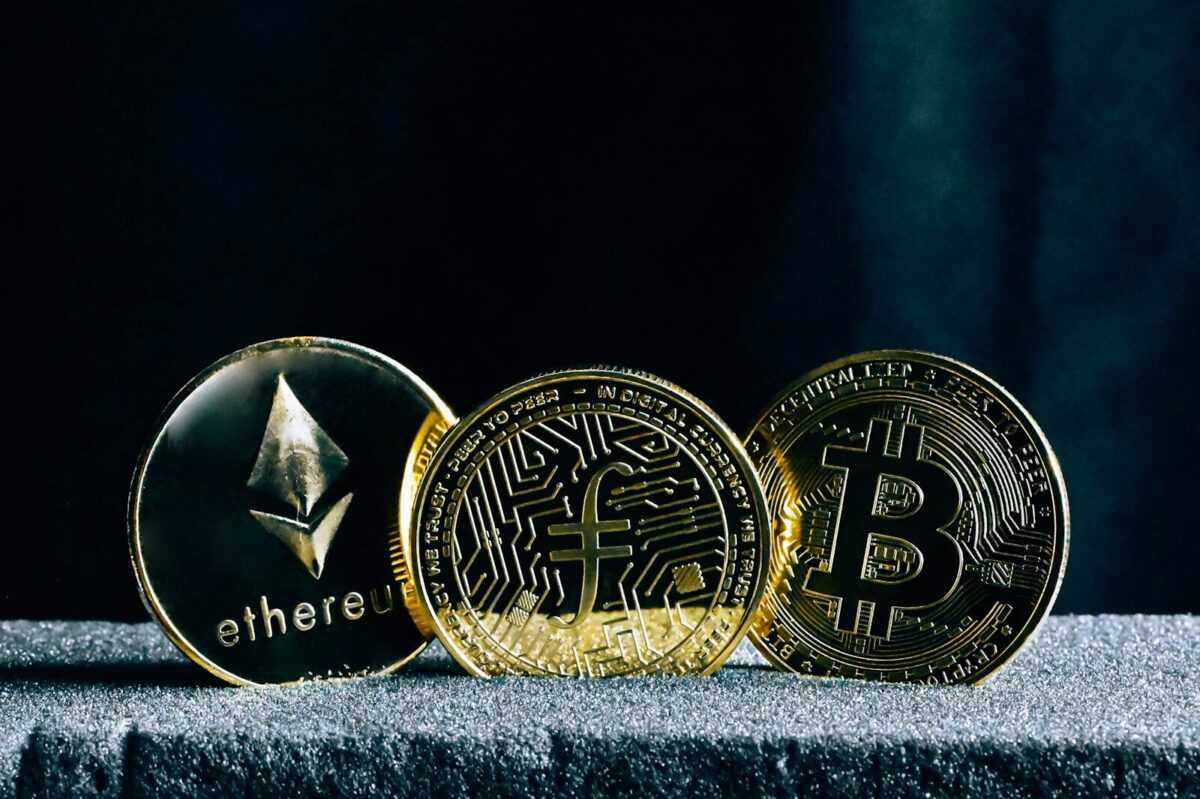
Comprehending the core principles of blockchain is fundamental for anyone engaging in cryptocurrency investing. At its basis, blockchain is a distributed ledger technology that records every transaction of a crypto asset with immutability and transparency. This decentralization eliminates the need for intermediaries, bolstering security and trust through cryptographic keys and consensus mechanisms such as mining.
Grasping how tokens function within this ecosystem is crucial: each token represents a digital currency or asset secured by blockchain’s architecture. Understanding the role of a wallet–which securely stores encryption keys–is vital for safely managing investments. Smart contracts further automate transactions, enabling programmable, self-executing agreements that reduce counterparty risks in finance.
In cryptocurrency investing, insights into blockchain’s underlying mechanisms allow for informed decision-making. For example, arbitrage opportunities across distributed exchanges arise due to network latency or variations in token valuation. Awareness of mining’s role in transaction validation and ledger maintenance ties directly to currency issuance and network security, affecting investment value.
Current market trends show growing integration of blockchain with decentralized finance (DeFi), expanding use cases beyond currency to include assets and contracts. Investors must prioritize security protocols and understand blockchain’s immutable record to guard against fraud and loss. Mastering these concepts builds a solid foundation for navigating the complexities of crypto investing with confidence and precision.
How Blockchain Secures Transactions
Securing transactions on the blockchain relies fundamentally on its core principles of decentralization and distributed ledger technology. Each transaction is recorded across a network of nodes rather than a single centralized database, eliminating single points of failure. This distributed nature ensures that altering any part of the transaction history requires consensus from the majority of participants, making unauthorized tampering infeasible.
Encryption plays a key role in protecting transaction data within the blockchain. Public-key cryptography enables the creation and verification of digital signatures, ensuring that only holders of the correct private keys can initiate transfers of cryptocurrency tokens. This mechanism safeguards wallets and smart contracts, verifying authenticity and preventing fraud before transactions are appended to the ledger.
Mining contributes to transaction security by validating new blocks through computational work, adding a layer of protection against double spending and ensuring chronological integrity. Miners solve complex cryptographic puzzles that confirm transactions and secure the network, aligning incentives through crypto rewards which attract decentralized validation efforts. This mining-driven consensus fortifies blockchain’s resistance to attacks, underpinning trust in the transfer of digital currency.
Smart contracts automate and enforce the terms of agreements embedded within the blockchain without intermediaries. Their self-executing nature, combined with immutable blockchain records, guarantees that contract conditions are fulfilled precisely as coded. Investors grasping these mechanisms gain insights into why blockchain surpasses traditional digital finance methods in securing contractual engagements and transaction transparency.
Comprehending this security architecture is fundamental for cryptocurrency investing. Understanding how blockchain combines encryption, decentralization, and mining sheds light on why the ledger remains trustworthy despite lacking a central authority. This knowledge equips investors to evaluate wallet security, select reliable tokens, and anticipate technological advancements that will enhance transaction robustness in the evolving crypto finance ecosystem.
Decentralization Impact on Investing
Decentralization fundamentally alters the basis of crypto investment by redistributing control from central authorities to a distributed ledger maintained across nodes. This technology: removes single points of failure and interference, enabling investors to execute transactions and smart contracts directly through encrypted wallets without relying on intermediaries. Consequently, comprehending decentralization is key for identifying opportunities and risks inherent in the crypto market.
Investors must appreciate how decentralization supports transparency and immutability in the blockchain: every transaction–from token transfers to mining validations–is recorded on a public ledger accessible to all participants. This guarantees auditability and reduces fraud potential, strengthening trust in the digital currency ecosystem. For instance, decentralized exchanges leverage this principle to facilitate peer-to-peer trading, enhancing liquidity while minimizing counterparty risk.
Security and Control in a Decentralized Framework
Decentralization shifts the responsibility of security onto investors, making grasping encryption principles and private key management indispensable. Unlike traditional finance, where institutions safeguard assets, crypto investors control their digital wallets and token holdings directly. Effective security practices–such as hardware wallets and multi-signature contracts–reduce vulnerability to hacks and theft, securing long-term crypto investment.
Market Dynamics and Investment Strategies Influenced by Decentralization
Decentralized networks impact liquidity, price discovery, and arbitrage opportunities uniquely. For example, mining pools dispersed globally validate transaction blocks and maintain consensus, affecting supply dynamics of tokens and influencing volatility. Traders exploiting differences across decentralized platforms benefit from the transparency and speed enabled by blockchain technology:. Understanding these mechanisms equips investors to execute timely strategies and optimize portfolio performance based on decentralized market activity.
Tokenization and Asset Ownership
Tokenization represents a key advancement in how ownership of assets is managed and transferred within the crypto ecosystem. By converting rights to physical or digital assets into blockchain-based tokens, investors gain direct, transparent control secured through encryption and distributed ledger technology. This mechanism removes intermediaries common in traditional finance, streamlining the process from investment to transfer.
The core principle of tokenization relies on smart contracts, which automate enforcement of asset ownership, rental agreements, or dividend distribution without manual intervention. These contracts reduce counterparty risk and improve transaction speed, forming the basis for novel investment models such as fractional ownership of high-value assets like real estate or art.
- Immutable Proof of Ownership: Tokens recorded on the blockchain ledger provide an irrefutable record of possession, resistant to tampering or fraudulent claims.
- Liquidity for Traditionally Illiquid Assets: Assets converted into tokens can be bought or sold through crypto exchanges, offering new liquidity pathways that benefit investors.
- Cross-Border Transactions: With decentralization removing jurisdictional hurdles, tokenized assets facilitate international trading without delays typically associated with banking systems.
Grasping token standards such as ERC-20 or ERC-721 is fundamental for investors who use wallets to store and manage these tokens securely. Understanding the underlying mining and encryption principles ensures secure interaction with the blockchain network, maintaining asset integrity.
Real-world examples highlight tokenization’s impact on finance: platforms like RealT and Maecenas enable fractional property and fine art investing directly through tokens, bypassing traditional finance constraints. These innovations align with shifting market trends favoring transparency and instant settlement.
Investment strategies must integrate rigorous assessment of smart contract protocols and the distributed ledger’s security model. Awareness of potential vulnerabilities or faulty coding within these contracts is critical for safeguarding portfolio value.