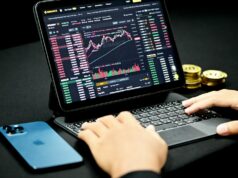
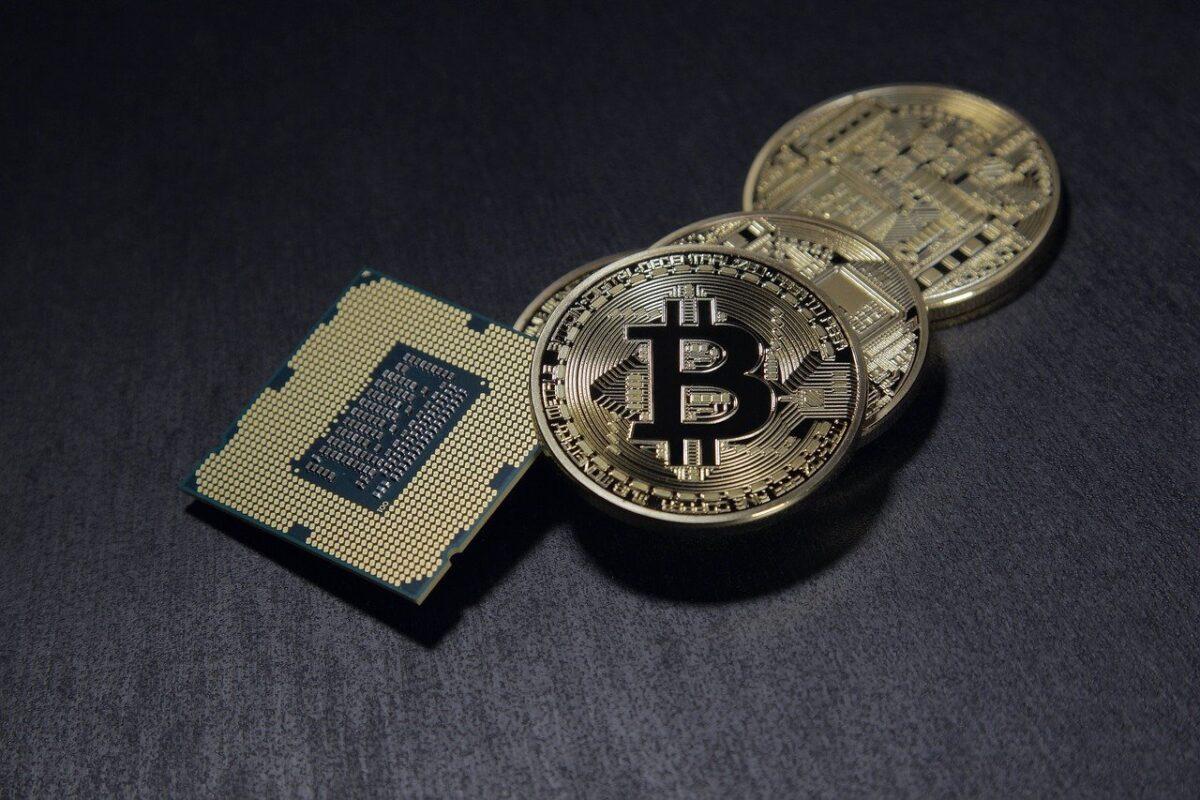
Identify whale activity early to safeguard your investments. Large players, commonly referred to as whales, exert significant control over market price through big trades and volume manipulation. These whales can artificially inflate or deflate asset values, creating risk for regular investors who lack real-time access to trading depth and order book dynamics. Implementing protective measures such as stop-loss orders and diversification reduces exposure to sudden price swings triggered by whale movements.
Effective risk management revolves around recognizing the patterns whales use to manipulate markets. For example, whales often execute large block trades or use layered orders to mislead smaller investors about true demand or supply. Understanding these strategies enables traders to differentiate genuine signals from deceptive market behavior. Combining technical analysis with on-chain data improves the identification of whale-driven trends and supports better timing of entry and exit points.
Market manipulation by whales is not limited to abrupt price actions. Long-term control tactics include strategic accumulation during low-volume periods and reactive trading that influences sentiment. Investors can enhance safety by employing advanced monitoring tools that track whale wallet activity and employing hedging strategies to offset potential losses. Awareness of how big players coordinate large trade volumes, sometimes in collaboration across exchanges, is essential for comprehensive price risk management.
Case studies, such as whale-driven arbitrage between mining pools and exchanges, reveal how these participants exploit timing and liquidity discrepancies to maintain market dominance. Protective strategies derived from such examples emphasize the importance of combining data analytics with strong trading discipline. This approach empowers investors to not only shield capital from manipulation but also leverage insights to refine their own market participation.
Identifying Whale Trading Patterns
Monitor sudden large volume spikes that diverge sharply from average trading activity. Whales often place sizable orders to execute their strategies, causing noticeable volume surges without immediate price reflection. This can be an indicator of accumulation or distribution phases before significant market moves.
Analyze order book depth and layering. Whales frequently use layered orders to create artificial support or resistance levels. These maneuvers help them control price action temporarily, influencing retail traders to follow false signals. Tracking abnormal order clustering near key price points reveals manipulation attempts.
Price slippage in tandem with big trades serves as another key sign. When large players execute market orders, slippage can accelerate price changes, triggering stop-loss cascades among less experienced investors. Recognizing this pattern allows traders to implement protective measures, including staggered order entry and risk management protocols.
Whale strategies often include rapid entry and exit within short time frames, impacting trend direction. This high-frequency trading pattern requires continuous market watch and sophisticated alert systems focused on detecting atypical trade sizes combined with sudden market momentum shifts.
Successful protective management involves integrating volume analysis, order book monitoring, and price action studies. Incorporating these elements enables investors to discern genuine market trends from manipulative schemes aimed at price control by large players. Adopting such measures reduces risk exposure and enhances safety in volatile trading environments.
Detecting Price Manipulation Signs
Monitor sudden, large price swings that lack corresponding news or market catalysts. When big whales initiate coordinated buying or selling, prices often move in sharp spurts followed by unnatural consolidation. Such volatility can indicate manipulation where large players control market sentiment through volume rather than fundamentals. Rapid spikes combined with abnormally high volume in short timeframes warrant close attention to protect trading positions.
Focus on order book irregularities. Large, spoofed orders placed well above or below the current price level create false impressions of market depth. This strategy can mislead investors about support or resistance levels, prompting misaligned risk management decisions. Detecting frequent order cancellations or unusually large but transient orders signals potential manipulation tactics employed by large whales.
Volume and Price Divergence as Red Flags
Watch for divergences between price trends and volume patterns. A genuine price rally typically coincides with increased volume from diverse traders. When price rises on disproportionately high volume driven by a few large players, the rally may be unsustainable. Conversely, price drops on heavy volume orchestrated by whales can trigger panic selling among smaller traders, skewing risk perception and market control.
Unusual Trading Activity During Off-Hours
Manipulation often intensifies during low-liquidity periods, such as weekends or after market hours, when whales leverage thinner order books. Sudden price moves during these intervals should trigger protective strategies for traders and investors. Implement risk controls like stop-loss orders and monitor market depth continuously to maintain safety amidst potential manipulation designed to exploit trading vulnerabilities.
Strategies to Minimize Trading Risks
Implementing protective measures is the most effective way for traders and investors to reduce exposure to manipulation by large whale players. One key strategy involves strict position sizing: allocating only a small percentage of your portfolio to any single trade significantly limits risk from sudden price swings caused by whale activity.
Another vital approach includes deploying algorithmic stop-loss orders that adjust dynamically based on market volatility. Such automated safety nets prevent emotional decisions and offer control over potential losses during aggressive whale-driven price movements. Monitoring market depth and order book changes in real-time helps identify suspicious large orders that may signal upcoming manipulation, enabling timely defensive actions.
- Diversify holdings across multiple assets to avoid concentrated vulnerability to manipulation in any single market segment.
- Utilize limit orders rather than market orders to minimize slippage caused by big players pushing prices artificially.
- Adopt hedging tactics utilizing derivatives, such as options or futures, to offset downside risk from unpredictable whale trades.
- Regularly analyze on-chain data and exchange flow to detect sudden influxes of whale capital, adjusting trading positions accordingly.
Large whale traders often attempt to control short-term price action by executing massive buy or sell blocks. To counter this, investors must maintain discipline and avoid chasing price spikes or dips without thorough analysis. Employing technical indicators with confirmed volume signals can filter out false alarms generated by manipulative transactions.
Historical case studies reveal that risk-aware traders who combine these strategies with vigilant market surveillance achieve greater safety and consistent returns. For instance, during the 2021 pump orchestrated by a few whales on popular tokens, those employing adaptive stop-loss and diversification protected capital effectively compared to those making impulsive moves.
As market manipulation evolves, traders must continuously update their protective measures and implement multi-layered risk controls. Leveraging a blend of technological tools, strategic portfolio management, and behavioral discipline ensures resilience against large whale-driven volatility, preserving long-term market position and capital integrity.