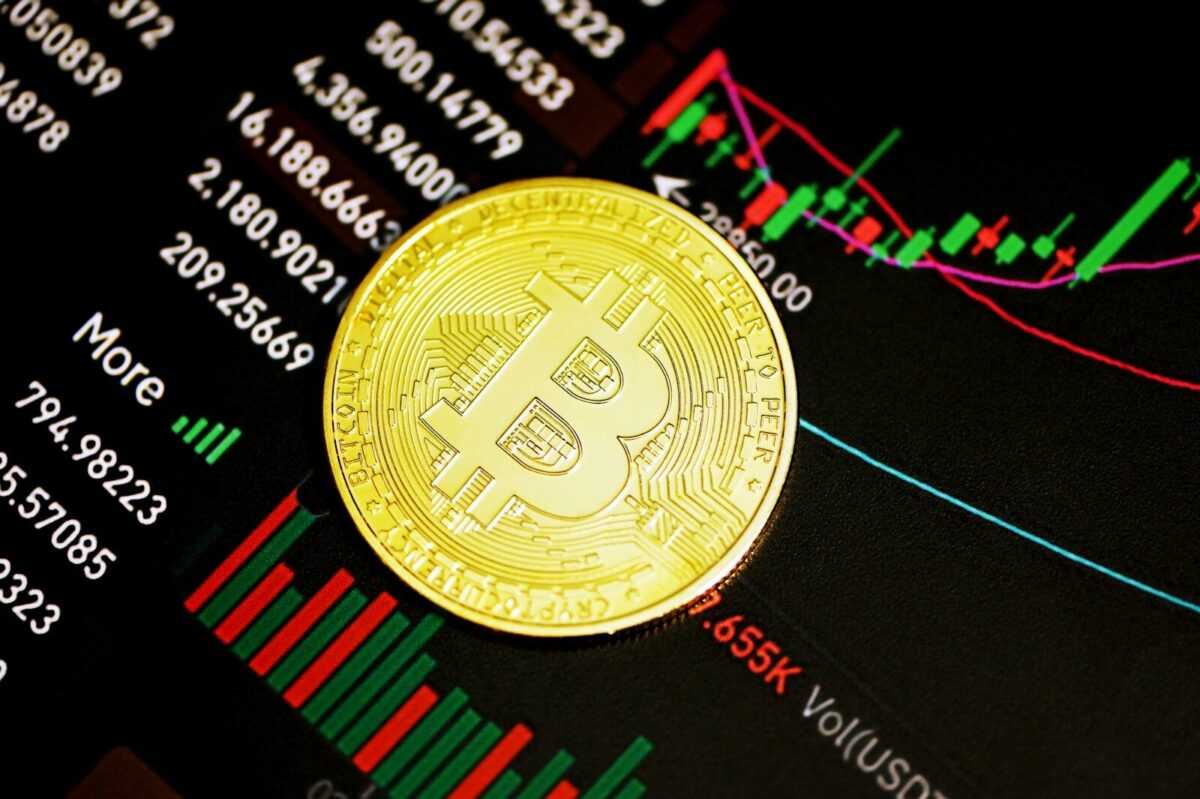
For efficient purchasing of bitcoin and altcoins, selecting the right platform is critical. Leading exchanges such as Binance, Coinbase, and Kraken offer robust security protocols, extensive cryptocurrency selections, and advanced trading tools. Our detailed comparative analysis highlights how each platform handles fees, liquidity, and user experience, providing clear guidance for both novice and experienced crypto traders.
Security remains paramount in the cryptocurrency market. Platforms implementing cold storage, multi-signature wallets, and regulatory compliance reduce risks of hacks and fraud. For example, Kraken’s track record and analytical approach to security measures stand out among top marketplaces, ensuring funds’ integrity during buying and trading.
This review includes performance data and real-world examples of arbitrage opportunities among major exchanges, illustrating how timely trading can optimize returns. Additionally, in-depth case studies examine marketplace responsiveness during high-volatility periods, offering actionable insights for selecting platforms that balance speed and reliability.
Comparison of Platforms for Buying Bitcoin and Altcoins
The best platforms for purchasing bitcoin and altcoins combine security, liquidity, fees, and user experience. Leading crypto exchanges such as Binance, Coinbase Pro, and Kraken rank consistently high in detailed reviews and comparative analysis due to their extensive marketplaces and robust infrastructure.
Top Crypto Exchanges: Analytical Review
- Binance: Offers the largest selection of altcoins with low trading fees around 0.1%. Its advanced matching engine provides high liquidity, ideal for arbitrage strategies and fast execution. Security features include SAFU fund insurance and mandatory two-factor authentication.
- Coinbase Pro: Known for regulatory compliance and top-tier security, it suits UK-based users seeking straightforward purchasing. With transparent fee structures and seamless fiat integration, Coinbase Pro supports beginner to advanced crypto buyers efficiently.
- Kraken: Strong in cryptocurrency security practices, Kraken enforces cold storage for most assets and Cycle cold wallet audits. It excels in offering margin trading for both bitcoin and altcoins, supported by an intuitive interface and thorough analytical tools.
Comparative Analysis: Fees, Security, and Coin Availability
When comparing fees, Binance remains the most cost-effective for frequent traders and buyers focusing on altcoins, while Coinbase Pro’s fees are marginally higher but offset by enhanced user trust and fiat options. Kraken balances fees with security protocols, appealing to investors prioritizing asset protection.
Security is paramount: all three platforms employ multi-layer authentication, withdrawal whitelist, and real-time transaction monitoring. Kraken additionally uses a Global Settings Lock to prevent unauthorized changes to user accounts.
Regarding altcoins, Binance supports over 500 cryptocurrency pairs, enabling access to emerging tokens and niche markets. Coinbase Pro offers a curated list of top altcoins verified for compliance, suitable for users preferring regulated environments. Kraken combines variety with stability, hosting around 90+ altcoins, focusing on liquidity and long-term project viability.
Real-world transactional efficiency varies: Binance’s throughput supports high-frequency purchasing and trading, making it ideal for arbitrage. Coinbase Pro simplifies purchasing for retail users using GBP and EUR, reducing conversion delays. Kraken’s margin options facilitate advanced trading strategies, enhancing portfolio diversification with leverage on altcoins.
Security Features of Top Crypto Exchanges
Leading platforms for buying and trading cryptocurrency implement multi-layered security measures tailored to protect users’ assets and data. An analytical review of exchanges such as Binance, Coinbase, and Kraken reveals a consistent adoption of cold storage protocols, holding upwards of 95% of digital assets offline to minimize exposure to hacking attempts.
Two-factor authentication (2FA) is a mandatory feature across the best marketplaces, often requiring time-sensitive codes via authenticator apps rather than SMS to mitigate SIM-swapping risks. Advanced identity verification frameworks, including biometric verification and Know Your Customer (KYC) processes, create additional barriers against fraudulent accounts and money laundering.
Encryption and Network Security
In the comparative analysis of platforms, robust encryption standards like AES-256 safeguard data both in transit and at rest. Exchanges deploy distributed denial-of-service (DDoS) protection systems to maintain uptime during high-traffic events, a crucial factor for arbitrage and high-frequency trading. Additionally, many implement cold wallet multisignature (multi-sig) setups that require multiple private keys for asset transfers, preventing unauthorized withdrawals even if a single key is compromised.
Continuous Monitoring and Compliance
Top exchanges maintain real-time monitoring systems utilizing AI-driven anomaly detection to spot suspicious activity promptly. Compliance with international regulatory frameworks–including GDPR and AML directives–further solidifies trustworthiness, enabling safer purchasing of altcoins and Bitcoin. Periodic third-party security audits and transparent public bug bounty programs underscore a proactive approach to vulnerabilities.
For users prioritizing security in cryptocurrency trading and buying, selecting platforms with comprehensive cold storage, multi-factor authentication, encrypted communications, and compliance-driven transparency represents the best defense against evolving threats in the market.
Fee Structures Across Trading Platforms
A detailed comparative analysis of fee structures is critical for identifying the best platforms for buying bitcoin and altcoins. Trading fees, deposit and withdrawal charges, and hidden costs vary significantly among leading crypto marketplaces, often impacting overall profitability more than price differences. For example, Binance’s tiered maker-taker model starts at 0.1%, allowing substantial fee reductions for higher volume traders, whereas Coinbase charges a flat 0.5% fee plus spread costs, making it costlier for small-scale buying.
In a review of top exchanges, it becomes clear that platforms like Kraken and Bitstamp emphasize transparent fee schedules with no hidden costs, charging between 0.16% and 0.26% per trade depending on volume. Conversely, some lesser-known marketplaces impose fixed network fees on withdrawals that can exceed $50 during high network congestion, particularly for bitcoin. This underscores why fee analysis must include both trading and blockchain-level costs.
Trading Fees: Maker vs. Taker Models
Most top exchanges utilize a maker-taker fee structure to incentivize liquidity. Makers place limit orders adding liquidity and often pay lower fees, while takers executing market orders incur higher charges. For instance, leading platforms like Huobi and KuCoin charge makers 0.08% and takers 0.1%, rewarding strategic trading behavior. Understanding these differences enables more cost-efficient buying and selling, especially for active traders handling multiple cryptocurrencies.
Deposit and Withdrawal Charges Across Platforms
Deposit fees vary, with some platforms offering free cryptocurrency deposits but charging fiat deposits via credit cards or bank transfers. Withdrawal fees not only depend on the exchange but are directly influenced by blockchain network activity. Analytical reviews show that exchanges such as Gemini absorb flexible withdrawal costs linked to ethereum and bitcoin gas fees, whereas smaller platforms add a fixed margin, increasing expenses unpredictably.
| Binance | 0.1% / 0.1% | Free (Crypto), 0.5%-4.5% (Fiat) | 0.0005 BTC | 500+ |
| Coinbase | 0.5% + Spread | Free (Bank), 3.99% (Card) | 0.0005 BTC + network fee | 150+ |
| Kraken | 0.16% / 0.26% | Free (Crypto & Fiat) | 0.0005 BTC | 100+ |
| Bitstamp | 0.5% / 0.5% | Free | 0.0005 BTC | 70+ |
| Gemini | 0.25% / 0.25% | Free (Crypto & Fiat) | 0.0004 BTC + network fee | 50+ |
A systematic fee comparison highlights how optimal trading strategies and choice of platform can significantly reduce expenses when buying bitcoin and altcoins. Analytical reviews recommend prioritizing exchanges with scalable fee models and predictable withdrawal costs for efficient portfolio growth and arbitrage opportunities.
User Experience and Interface Comparison
A detailed comparative analysis of the best crypto marketplaces reveals significant differences in user experience and interface design that impact efficient trading and purchasing of bitcoin and altcoins. Leading exchanges like Binance, Coinbase, and Kraken provide intuitive dashboards that streamline access to trading pairs and portfolio tracking. Binance’s interface stands out with customizable layouts, allowing traders to prioritize their preferred tools, which enhances speed and precision during active trading sessions.
Coinbase offers a simplified, beginner-friendly interface optimized for ease of use, making it ideal for newcomers focused on purchasing cryptocurrency without overwhelming technical complexity. However, its limited charting features and reduced customization options may not satisfy advanced traders seeking comprehensive analytical tools. Kraken bridges this gap with an interface that balances usability for both novices and experienced users, delivering detailed order book insights and flexible order types directly within the trading platform.
In terms of mobile applications, the best exchanges maintain seamless synchronization with their desktop counterparts, ensuring uninterrupted trading on the go. Binance’s mobile app supports advanced order execution and real-time alerts, a critical advantage for arbitrage opportunities and managing market fluctuations. Similarly, Coinbase’s mobile interface emphasizes a clean design but slightly limits access to advanced trading functionalities, affecting power users who rely heavily on in-app analytical tools.
Performance metrics from multiple reviews highlight that platforms with a responsive and intuitive UI correlate with higher user retention and trading volume. For example, Kraken’s interface was instrumental during the 2023 market volatility, enabling traders to rapidly execute complex orders without latency, which confirms the importance of efficient user interface design in maintaining operational reliability under stress.
Overall, this analytical review identifies that the best exchanges balance security features with advanced yet accessible trading interfaces. Selecting a platform for crypto purchasing should consider not only fee structures and security but also how the UI supports effective decision-making and smooth navigation through the complexities of bitcoin and altcoins trading.