
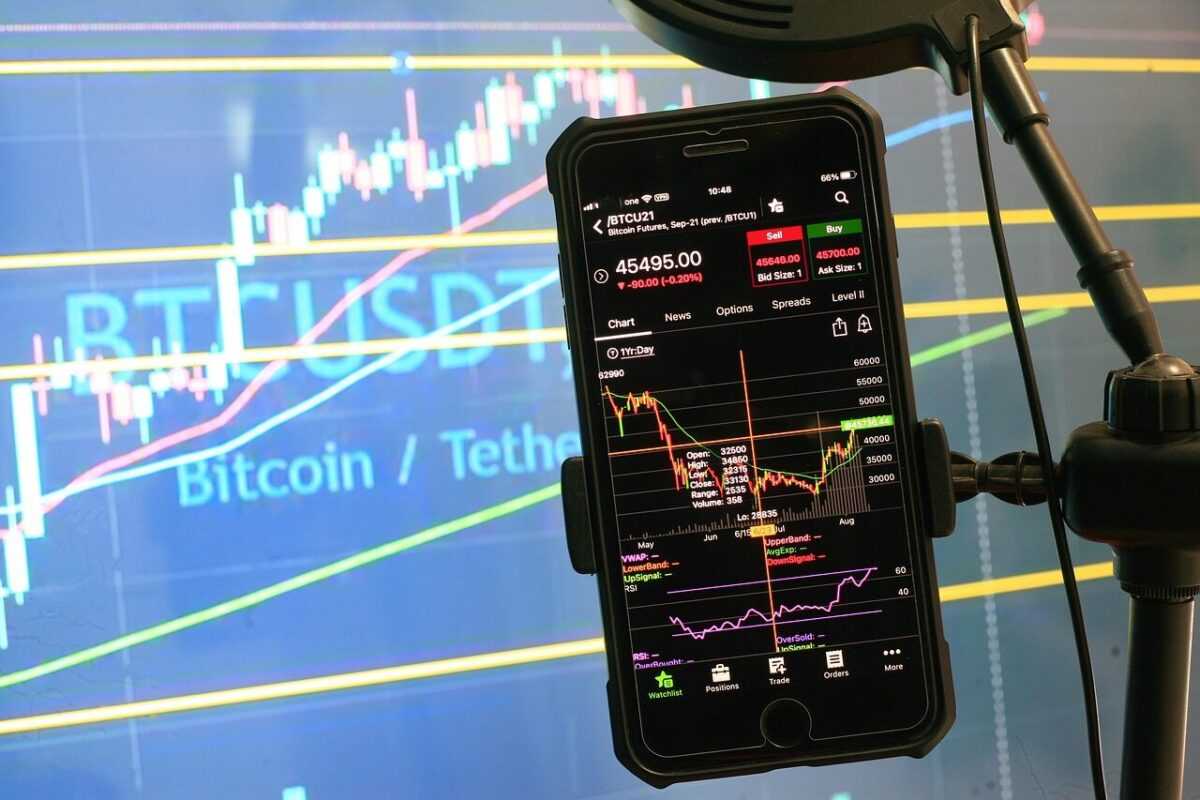
Long-term holding remains the most straightforward strategy to build a resilient crypto portfolio with reduced exposure to volatility. When investors choose to buy and hold cryptocurrency assets like Bitcoin or Ethereum, they leverage time as a buffer against market fluctuations, minimizing the risk of poor timing. This approach suits those prioritizing sustained growth over immediate profit and benefits from the increasing adoption and fundamental value appreciation of major coins.
In short-term trading, methods focus on capitalizing on volatility through rapid buy and sell cycles. This requires continuous market analysis, precise entry and exit points, and keen understanding of price movements driven by news, mining developments, or regulatory changes. Among popular trade strategies are arbitrage, swing trading, and scalping, all demanding rigorous risk management and faster decision-making. While short-term profit potential is higher, so is exposure to sudden downside risks, making diversification and strict stop-loss discipline essential.
Comparing these approaches: long-term investment strategies reduce the emotional pressure linked to daily price swings, permitting compounding gains and tax efficiencies in several jurisdictions. Conversely, efficient trading methods require sophisticated tools, such as algorithmic bots or technical indicators, to mitigate losses from abrupt market corrections. Professional crypto investors often blend both strategies, harnessing diversification by maintaining a core portfolio of holdings while allocating a portion for active trading, thereby balancing growth and liquidity.
Long-Term Holding Profitability Factors
To maximize profit when you hold crypto long-term, prioritize diversification and liquidity within your portfolio. Holding a mix of assets–large-cap cryptocurrencies, emerging altcoins, and staking tokens–reduces exposure to individual market volatility and smooths returns over time. Unlike short-term trading methods that rely heavily on precise timing to buy and sell, long-term holding allows the investor to capitalize on macro-market trends and technological adoption cycles.
Risk management is central to long-term profitability. Avoid concentrating your investment in highly volatile tokens prone to pump-and-dump schemes; instead, balance your portfolio with assets that have demonstrated resilience through multiple market cycles. For instance, Bitcoin and Ethereum show lower risk profiles compared to smaller-cap cryptos with less liquidity and market depth. This diversification reduces the chances of forced liquidations during downturns, preserving capital for eventual rebound phases.
Market Timing vs. Holding Decisions
Unlike trading approaches: timing buy and sell points is critical, long-term holding bypasses frequent market entry and exit decisions, mitigating the emotional and operational risks inherent in short-term trading. Long-term holders benefit from compound growth, staking rewards, and network upgrades that directly influence crypto profitability. These factors often outweigh the incremental profits gained from rapid trading, especially when trading fees or tax implications are accounted for.
Liquidity remains a significant factor–assets with sufficient trading volume allow investors to enter or exit positions without affecting market prices substantially. Illiquid coins expose holders to slippage and unpredictable sell execution, which can erode profits even in long-term scenarios. Selecting cryptocurrencies with proven liquidity helps secure the ability to sell when strategic decisions dictate shifts in the portfolio.
Security and Investment Approach
Long-term crypto profit depends heavily on secure holding methods. Utilizing cold storage wallets and hardware security modules prevents loss from hacking or exchange failures. Expert investors recommend multi-signature wallets for additional layers of protection. This security focus supports holding through market volatility without compromising asset safety.
Case studies of mining-related tokens demonstrate how underlying fundamentals enhance holding profitability. Tokens linked to physical mining operations or energy-efficient consensus mechanisms often gain value from real-world utility growth rather than speculative trading volatility. These assets illustrate returns derived from network development and adoption–key drivers in long-term investment success. Thus, the choice of crypto should align with solid fundamentals and sustainable market demand.
Short-Term Trading Risk Management
Implement strict position sizing to limit exposure on each trade, typically risking no more than 1-2% of your crypto portfolio per position. This approach protects capital from the high volatility inherent in short-term cryptocurrency markets, where sudden price swings can quickly erode profits.
Use stop-loss orders aggressively. Setting predetermined exit points ensures automatic selling before losses escalate beyond acceptable limits, especially vital when timing trades precisely to profit from short-term market movements. For example, a 5% stop-loss on a volatile altcoin trade can prevent a small loss from becoming a portfolio-threatening deficit.
Diversification and Liquidity Considerations
Diversify your short-term trading methods by engaging in multiple cryptocurrencies with varying volatility profiles. Combining stablecoins, mid-cap tokens, and highly liquid assets spreads risk and reduces dependency on a single market event. Trading solely in illiquid tokens raises the risk of slippage and delayed order execution, undermining timely exits crucial for successful short-term strategies.
Maintain liquidity in your crypto holdings; avoid overconcentration in assets with low market depth. Liquidity ensures you can buy or sell rapidly without influencing the price significantly, a critical factor during volatile market phases that define short-term trading.
Timing and Market Reaction Strategies
Monitor key market indicators such as volume spikes, order book depth, and volatility indexes to refine entry and exit timing. Employing technical tools like moving averages or RSI combined with real-time news analysis helps anticipate short-lived opportunities and mitigate risk exposure. For example, sudden regulatory announcements often lead to rapid price reversals where timely trade execution can protect capital or lock in profits.
Comparing short-term trading to long-term holding reveals that risk management in trading focuses on dynamic adjustments, reacting to market fluctuations with disciplined buy, sell, or hold decisions. Unlike long-term strategies that rely on extended holding periods to weather volatility, short-term approaches demand constant portfolio monitoring to avoid amplified losses and maximize profit windows.
Optimal Buy Hold Sell Timing
Buy timing in crypto investments should align with phases of low market volatility and strong fundamental value signals, such as protocol upgrades or increased network activity. Entering a position during these conditions optimises the probability of long-term profit. Holding beyond initial buy points requires constant evaluation of market liquidity and portfolio diversification to mitigate concentrated risk exposure.
Selling decisions in long-term strategies must balance market cycles against individual asset performance. Empirical data from Bitcoin and Ethereum cycles demonstrate that selling near local maxima–typically after substantial network adoption or macroeconomic tailwinds–yields the highest returns. Conversely, premature sales in periods of transient market dips reduce profit potential and disrupt compounding effects intrinsic to holding.
Timing Strategies: Data-Driven Entry and Exit
Technical indicators like moving average convergence divergence (MACD) and on-chain metrics such as active addresses provide objective signals for buy and sell timing. For example, when active addresses surge above historical averages alongside MACD crossovers, the market often signals sustainable upward trends suitable for initiating or increasing positions. Conversely, divergence between price and transaction volumes warns of potential trend reversals, advising cautious sell or portfolio rebalancing.
Liquidity considerations are equally critical. Assets with low daily trading volumes can trigger high slippage, distorting timing efforts. Prioritising highly liquid cryptocurrencies ensures efficient trade execution and tighter bid-ask spreads, essential when timing sells during market shifts or reallocation phases. Balancing timing precision with liquidity constraints helps maximise profit while controlling risks associated with unpredictable market swings.
Long-Term vs. Short-Term Timing Approaches
Comparing to short-term trading, optimal long-term timing focuses on macro market shifts rather than daily fluctuations. While short-term methods leverage volatility to capture quick gains through trade and hold cycles, long-term timing emphasises identifying optimal buy points aligned with adoption curves and regulatory clarity. This method reduces transaction frequency, cutting costs and exposure to rapid price swings.
In practice, a hybrid approach–deploying capital incrementally through dollar-cost averaging combined with strategic profit-taking at key resistance levels–offers a robust timing framework. This approach balances diversification and risk mitigation, leveraging both the stability of holding and the agility of tactical selling to maximise the overall portfolio’s risk-adjusted returns over extended periods.